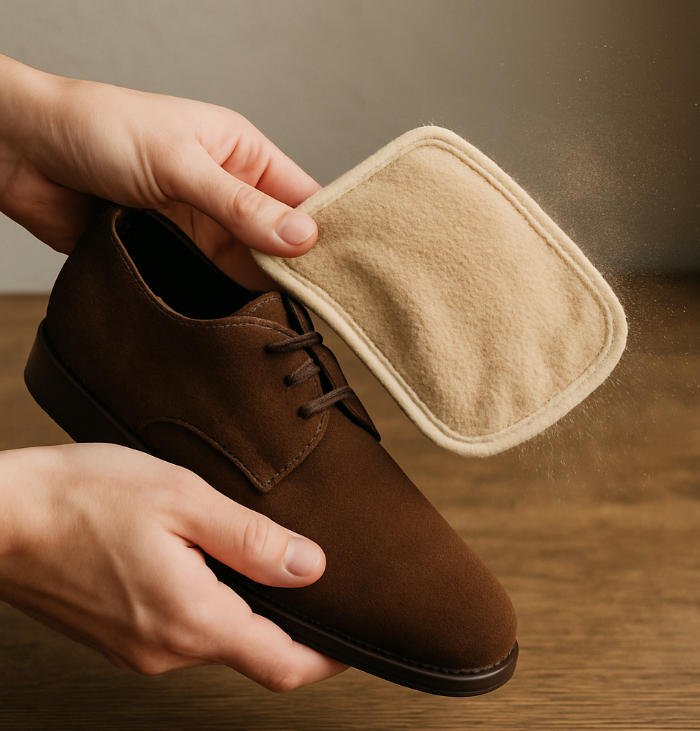
Checking into a luxury hotel often reveals a small, fuzzy glove tucked quietly in the closet. Hospitality experts provide this specific tool for a practical reason: it offers the fastest way to revive a dull appearance before you walk out the door.
Relying on a paper towel for a quick touch-up usually results in white lint stuck to dark leather, while old rags transfer polish onto your skin. A shoe mitt acts as a barrier to eliminate these frustrations. Think of it like a fitted car detailing cloth, but designed to keep your hands clean.
Beyond simple cleaning, this tool leverages friction to create heat, softening existing wax for a renewed shine. Master the distinction between buffing and washing to help you build a professional leather maintenance routine.
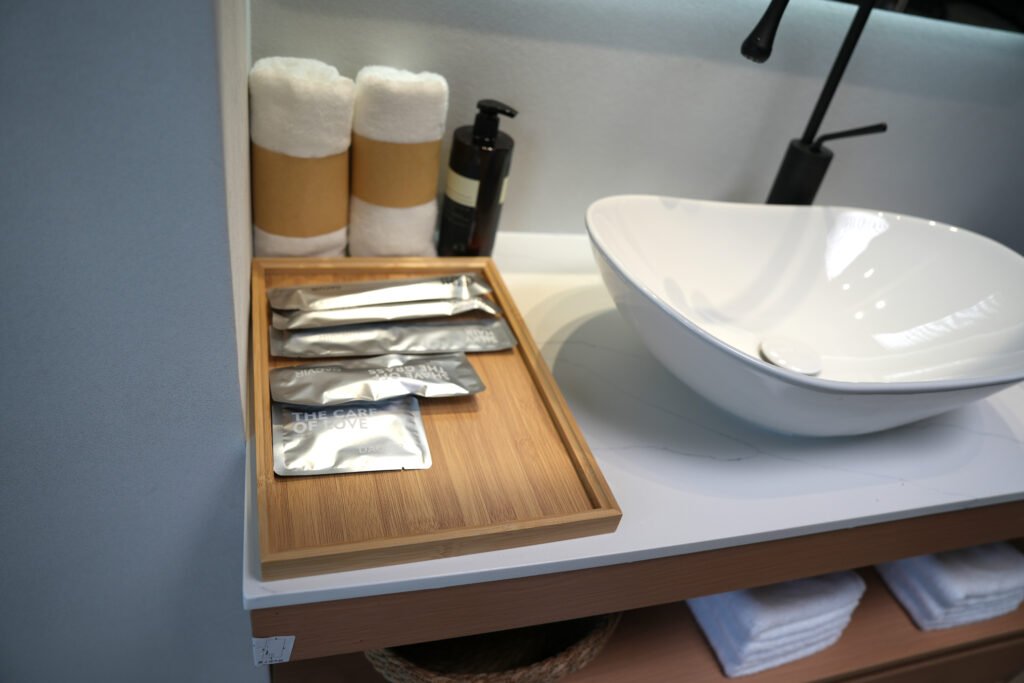
The Science of a ‘Lint-Free’ Finish: Why Your Old T-Shirts are Ruining Your Shoes
Grabbing an old cotton t-shirt for a quick wipe-down often creates more problems than it solves. Cotton fibers tend to break off during friction, leaving behind a haze of tiny white specks that ruin the look of dark leather. In contrast, a designated lint-free leather care accessory uses specialized weaves—like microfiber or synthetic blends—to trap dust particles inside the fabric rather than shedding them onto the shoe. It is the difference between cleaning a window with a paper towel versus a glass cloth; one leaves a mess, while the other leaves clarity.
Design plays just as big a role as the material itself. Unlike a flat rag that requires awkward folding and pinching, a mitt slides securely over your hand to become an ergonomic hand-held shoe polisher. This allows you to apply consistent pressure across the entire surface of the footwear without your fingers cramping or slipping.
- Standard Rag: Requires tight pinching; often leads to uneven pressure and stained fingertips.
- Shoe Mitt: Uses full palm surface; delivers uniform buffing power while keeping skin oil-free.
Beyond protecting your hands, the texture of a specialized microfiber dust removal cloth or wool mitt sets the stage for the finish. Once you have a clean surface and a stable grip, you can generate the friction needed for the next crucial step: using heat to melt wax for a mirror-like shine.
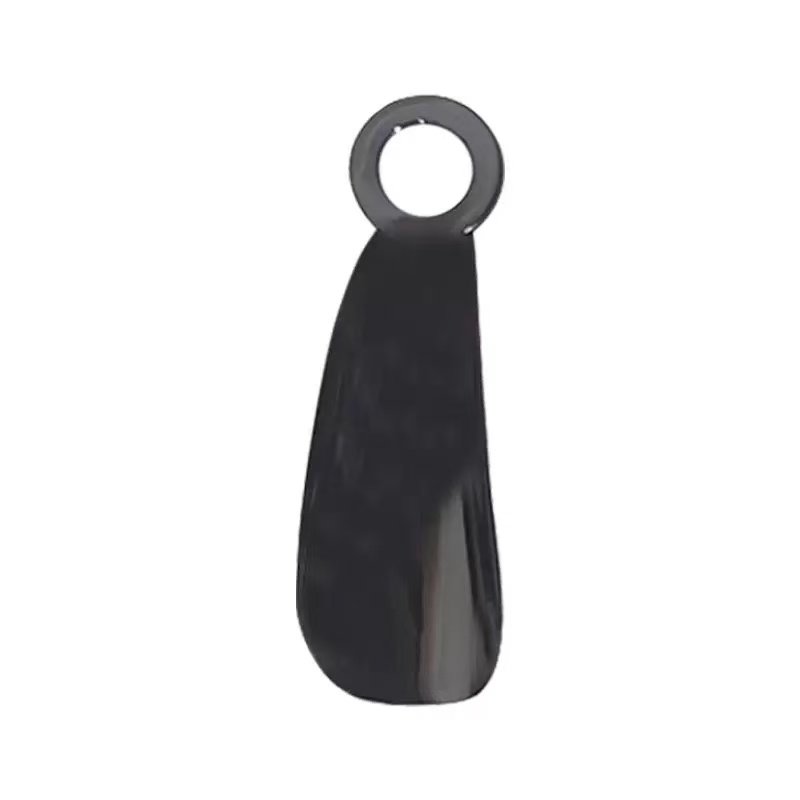
How to Use Heat to Melt Wax and Achieve a Mirror-Like Shine
Achieving a high-gloss shine isn’t about how hard you push, but rather how fast you move. Many beginners make the mistake of bearing down on the leather, but heavy pressure can actually strip away the protective layers you are trying to build. Instead, the secret lies in light, rapid movements that generate distinct friction between the mitt and the leather surface.
This friction creates a controlled amount of surface heat, which serves a critical function in reviving dull leather finish. Shoe polish contains waxes that harden at room temperature, often sitting on top of the leather like a rough, uneven landscape. As the mitt warms up through rapid buffing, it slightly softens these hardened waxes, allowing them to liquefy just enough to spread evenly and fill in microscopic pores for a smooth, reflective surface.
A standard rag often bunches up or slips during this high-speed motion, but a designated leather footwear buffing glove stays secure on your hand. This stability protects your skin while ensuring the consistent contact needed to manipulate the wax effectively. You will know it is working when you feel a slight warmth radiating through the glove, though the final intensity of the shine ultimately depends on whether you are using synthetic fibers or natural wool.
Lambswool vs. Microfiber: Which Applicator Saves Your Leather Type?
Just as you wouldn’t clean a silk shirt with a rough sponge, the fabric you use on your footwear changes the result. A lambswool polishing applicator is the gold standard for traditional leather because the natural oils in the wool interact with the shoe’s surface to enhance moisture and luster. In contrast, synthetic fibers are engineered to grab and trap particles rather than smooth them out, making them better suited for cleaning rather than polishing.
Distinguishing between synthetic vs natural wool applicators ensures you don’t accidentally dull a premium finish or smear dirt into a canvas sneaker. Matching the right tool to the job helps you get the most out of your effort:
- Lambswool: Best for finished leather dress shoes and boots that need a high-gloss shine.
- Microfiber: Ideal for removing dry dust from suede, nubuck, or athletic sneakers.
- Terry Cloth: Good for applying heavy creams, but often too rough for determining the best material for buffing leather.
Choosing the correct texture prevents micro-scratching on delicate surfaces while maximizing the effectiveness of the wax warming process. Once you have the right mitt, the biggest advantage isn’t just the shine—it’s how easily it fits into your life away from home.
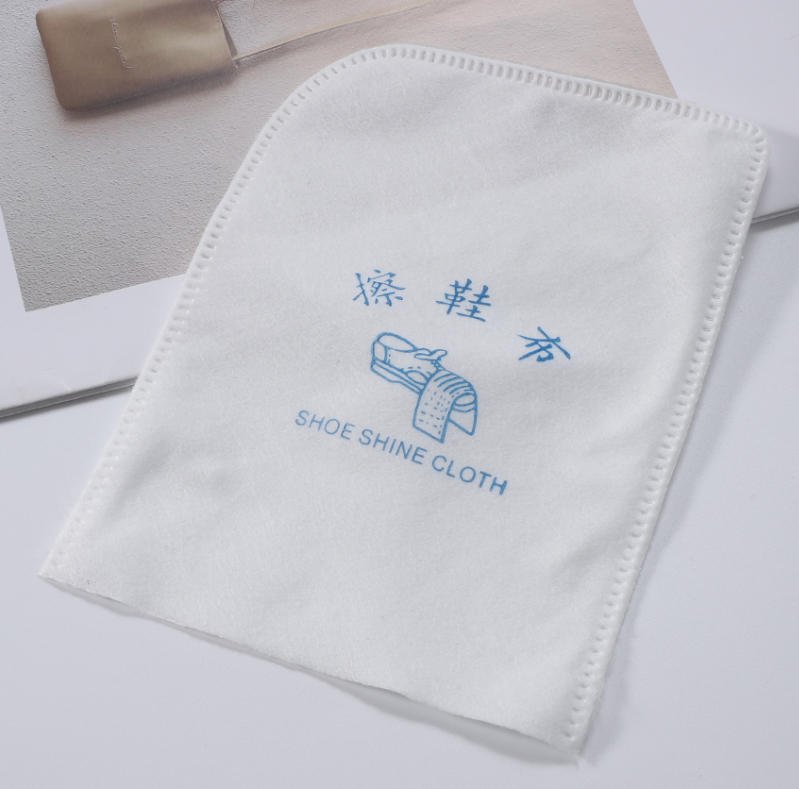
Save Space and Time: Why the Shoe Mitt is the Ultimate Travel-Size Cleaning Tool
Business trips and daily commutes can wreak havoc on footwear, often right before an important introduction. Lugging around heavy cans of wax and stiff bristle brushes isn’t practical when luggage space is at a premium. A shoe mitt solves this logistical problem by collapsing into the size of a folded pair of socks, making it the ideal travel-size shoe cleaning tool to tuck into a briefcase side pocket or a carry-on toiletry bag.
What makes this accessory truly efficient is its ability to perform a “dry” polish. Most leather shoes already have layers of wax from previous treatments that simply need heat to wake up. By vigorously rubbing the mitt over the leather, you create friction that softens these dormant oils, essentially removing scuff marks from dress shoes without opening a single tin of polish.
This rapid friction method allows you to transform dull leather into a sharp, reflective surface in under sixty seconds. It provides a quick touch-up for professional appearance in a hotel lobby or office elevator, ensuring you look put-together without getting your hands dirty. Now that you have the right tool and know when to use it, keeping the mitt itself clean is the final step to longevity.
The Two-Minute Routine: How to Buff and Maintain Your Glove
Establishing a professional leather maintenance routine doesn’t require hours of labor or a garage full of equipment. For a daily refresh, simply slip the mitt over your hand and use fast, back-and-forth motions across the upper part of the shoe. This friction heats up the wax already on the leather, smoothing out minor scuffs and restoring the gloss without adding any new product.
To get the most out of your two-minute session, follow this simple sequence:
- Wipe: Remove loose dirt with a paper towel to prevent scratching.
- Secure: Fit the mitt firmly over your hand for control.
- Buff: Rub vigorously for 30 seconds per shoe to activate the shine.
- Clear: Shake the mitt out immediately after use.
Even the best tools need care to perform well. While the debate of horsehair brush vs buffing cloth often focuses on applying polish, the mitt is the champion of the final touch, but it eventually absorbs residual wax. To prevent transferring black polish onto brown loafers, treat separate mitts for different colors as essential components of a shoe shine kit. When the fibers feel stiff or saturated, a simple hand wash with mild soap will restore their soft texture.