
Abstract: The global hotel supplies industry is undergoing a strategic transformation from a “disposable convenience-oriented” model to a “deep cultivation of sustainable value.” This white paper focuses on the evolution of core selling points in hotel supplies, analyzes industry pain points and future directions, and provides reference and guidance for industry participants.

I. Reconstructing Product Selling Points: Beyond Basic Functions, Building Core Competitiveness
The traditional hotel supplies industry operates on the core logic of “meeting basic usage needs,” with product selling points concentrated on cost control and basic durability. However, with the upgrading of consumption and the increasing demand for differentiated competition in the hotel industry, the market landscape has undergone a fundamental change, and the selling points of hotel supplies are showing three clear upgrade directions.
Perceptible Comfort Experience—Core parameters such as thread count of bedding, fragrance of toiletries, weight and absorbency of towels are being transformed from cold numbers on purchase orders into experiential labels that guests can directly touch and perceive. High-end hotels build unique brand memories through customized fragrances and bespoke linens; mid-range hotels lower the decision-making threshold for consumers by offering a tangible description of a “five-star experience.”
Design language is contextualized—hotel amenities are no longer isolated tools, but integral parts of the overall guest room aesthetics. Eco-friendly toothbrushes with bamboo handles, reusable glass bottles, and minimalist soap dispensers become core elements of the spatial narrative, blending seamlessly with the overall hotel design to achieve a dual value of practicality and aesthetics, enhancing the quality of the guest room space.

Intelligent technology is embedded in context—products such as sensor-activated soap dispensers and on-demand intelligent delivery robots achieve deep integration between amenities and the hotel’s operational systems. This intelligent upgrade not only significantly improves hotel operational efficiency and reduces reliance on labor costs, but also enhances the guest experience with a technological feel.
II. Environmental Trends: From Marketing Rhetoric to a Revolution Across the Entire Supply Chain
Currently, environmental protection in the hotel supplies industry has transcended the superficial marketing labels of “biodegradable” and “recyclable,” entering a stage of systemic restructuring across the entire supply chain and operational processes. Environmental value is deeply intertwined with operational efficiency and user experience, becoming a core theme of industry development.
Plastic reduction efforts are starting at the source—both the EU’s Single-Use Plastics Directive and China’s “14th Five-Year Plan” for plastic pollution control explicitly impose restrictions on plastic products in the hotel sector, setting clear boundaries for plastic reduction in the industry. Leading hotel groups have made clear commitments to completely eliminate single-use plastic bottles of toiletries by 2025, shifting to large-capacity pump containers or refillable containers. This shift not only drives the upgrading of end products but also forces the upstream packaging supply chain to accelerate innovation, redesigning sealing technologies and antibacterial solutions to achieve a balance between plastic reduction and practicality.
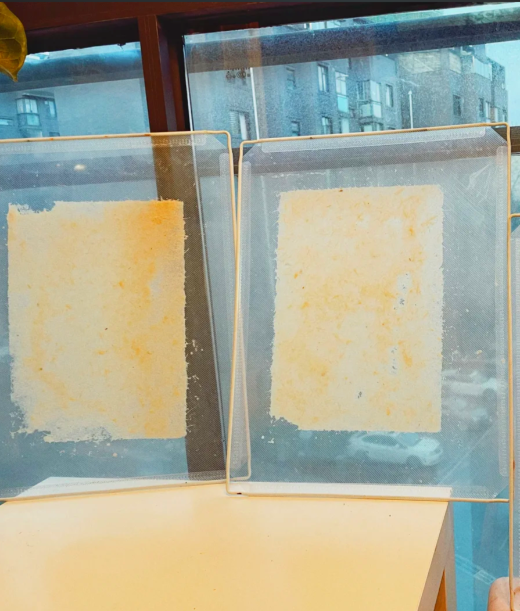
The circular economy model is taking root – the widespread adoption of linen rental and cleaning models is driving hotels to shift from “purchasing products” to “purchasing services.” Suppliers retain ownership of the linens and are responsible for cleaning, maintenance, and recycling throughout their entire lifecycle, significantly reducing hotels’ procurement costs and inventory pressure. Simultaneously, waste linens can be recycled into industrial rags, filling materials, and other recycled products, forming a closed-loop system of “production-use-recycling-regeneration.”
The zero-waste room concept is gradually being implemented – through precise allocation and guest-requested items, passive waste of room supplies is reduced, achieving efficient resource utilization. For example, hotel smart TV systems have added a feature to select guest needs, allowing guests to choose whether they require toothbrushes, combs, etc., replacing the traditional “default provision for all” model. This reduces waste at the source while conveying environmental protection concepts.
III. Conclusion
The future of the hotel supplies industry is no longer simply about functional competition, but about comprehensive strength competition focusing on sustainable value. Those companies that can deeply integrate their product’s core selling points with environmental value will become industry leaders. Comfortable experiences are no longer synonymous with resource consumption, and sustainable development no longer means a downgraded experience; the two have been organically integrated. True industry leaders are breaking down the ingrained perception of “environmental protection versus experience” through design innovation, technological upgrades, and supply chain restructuring, demonstrating in practice that they are driving the hotel supplies industry towards high-quality development that is greener, more efficient, and more valuable.