
Have you ever wondered about the environment behind the product you just unboxed? As a consumer, you rarely step inside a factory, but every operational detail eventually affects your health and the blue sky outside your window. We believe that “Safe Production” and “Eco-friendly Philosophy“should not be cold slogans. Instead, they are a promise from every factory to the surrounding community and to every family like yours.
How Eco-friendly Philosophy and Safe Production Benefit You
Picture this: a weekend afternoon, you lean by the window reading a favorite book. Fresh air drifts in through the half‑open window. No sharp industrial smell in the distance, just the sound of turning pages and birdsong. For those who love reading and quiet moments, this peace is precious. And that peace depends on a factory sticking to an “Eco-friendly Philosophy“
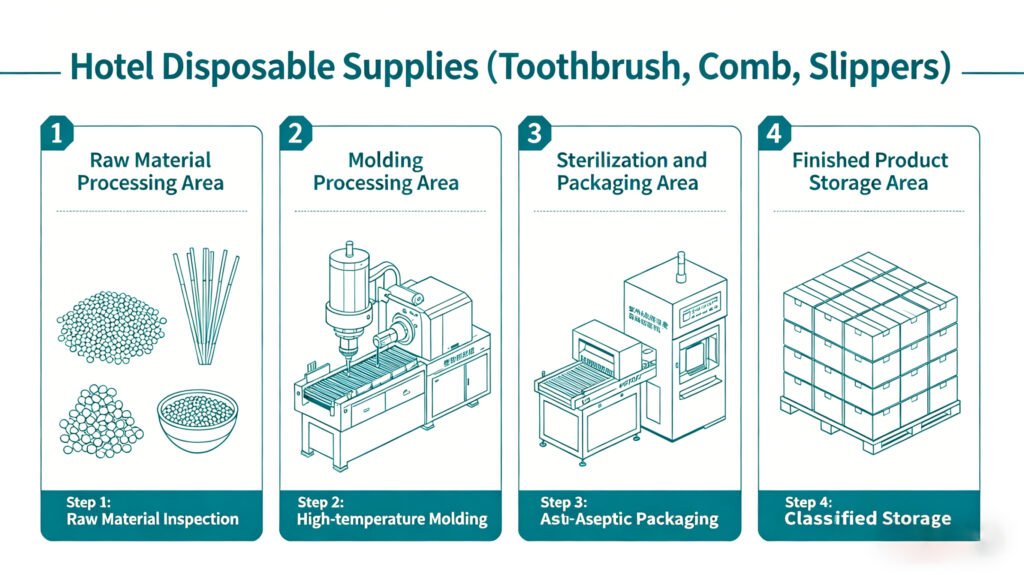
So what does a factory that truly follows “Safe Production“ and eco‑friendly principles actually do? For example, it covers its roof with solar panels so the machines run on sunshine. It builds a closed‑loop water cooling system – not a drop of polluted water ever reaches the river. It chooses non‑toxic, low‑VOC paints and glues, keeping harmful substances away from the products you touch every day. At the same time, “Safely Production“ (producing safely) means workers must wear protective gear, and every production line is forcibly inspected twice a year to prevent leaks or fires. These measures may seem distant, but they directly affect whether your thermos contains heavy metals, whether your child’s toy has strange smells, or whether the air near your neighborhood allows you to open your windows with confidence.
For people who love reading, strolling, or letting their minds wander in nature, choosing a product made by such a factory is like picking a carefully proofread book – you don’t worry about typos breaking the spell, nor about hidden safety hazards. “Eco-friendly Philosophy“ teaches us that real safety is not an after‑the‑fact fix; it’s about respecting the environment and people at every step, from raw materials to shipment.
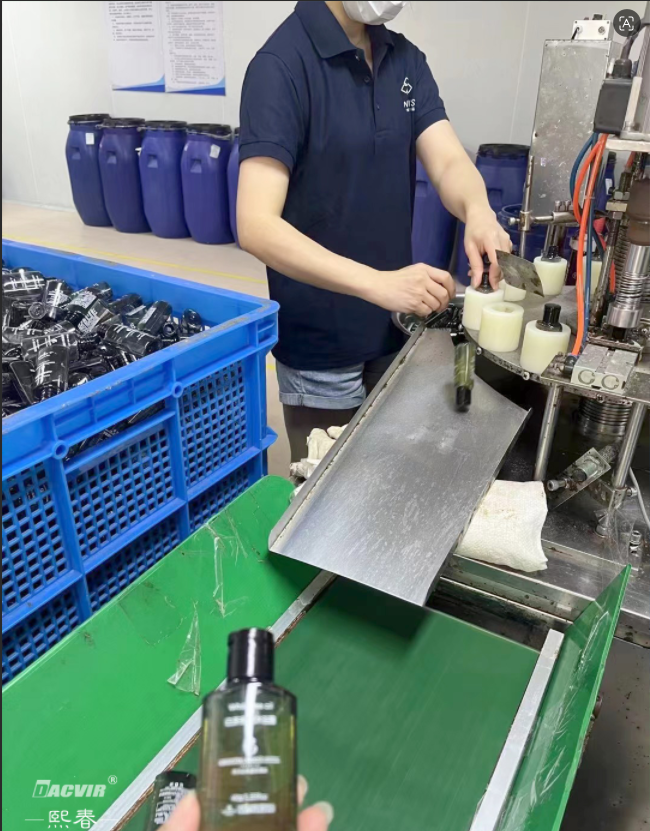
Besides the practices above, here are a few simple but creative ideas worth spreading:
– Plant belts of dust‑absorbing greenery inside the factory fence, instead of energy‑hungry air filters.
– Compress waste wood and old packaging into fuel pellets to heat nearby nursing homes.
– Host a monthly “Open Factory Day,” inviting local residents – especially families with children – to tour the wastewater treatment and fire drills.
These ideas especially suit consumers who value health, love outdoor activities, or often take their kids to the park. Every breath you take, every run on the grass, should not be disturbed by invisible pollution. **Safe Production** is not only about protecting the workers inside the factory – it also protects the potted plant on your windowsill and the gentle breeze that accompanies your reading time.
Finally, remember this: our goal has always been to let “Eco-friendly Philosophy“ guide “Safe Production“, so the factory becomes a friendly neighbor, not a source of worry. Next time you pick up a product, take an extra second to glance at its brand story – does it mention eco‑certifications? Does it show waste‑recycling data? Your choice is a gentle letter to the factories of the future.