
Moreover, small essentials often carry the biggest memory. A clean toothbrush kit after a late arrival. A soap bar that feels calm, not harsh. Slippers that look neat on first glance. Collectively, those details shape comfort and consistency. Consequently, an amenity program works best when it is built like a system, not a pile of items. Within that system, hotel amenities sets wholesale europe export sits at the center of a modern approach: curated baselines, flexible add-ons, and presentation that stays tidy in every room.
Additionally, this guide focuses on benefits, use-cases, pairing methods, and selection thinking. It also avoids noisy sales language. Instead, it treats amenities as operational tools that support comfort, hygiene, and brand clarity.
Featured product mix (visual references from the catalog)
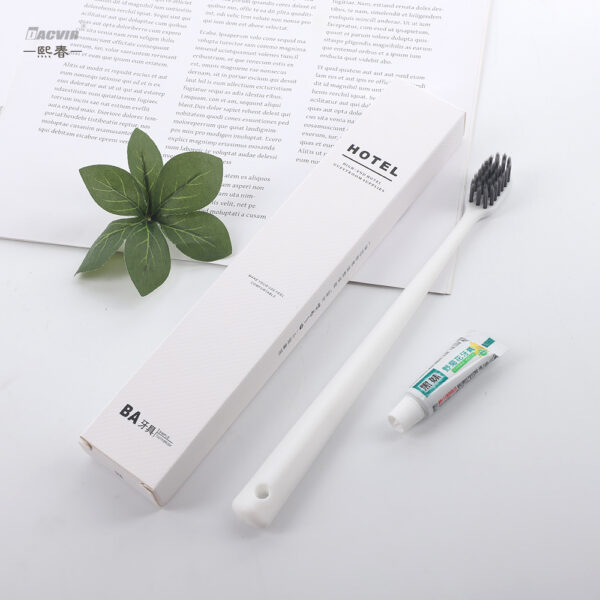
1) Card-box dental kit (clean start, fast resolution)
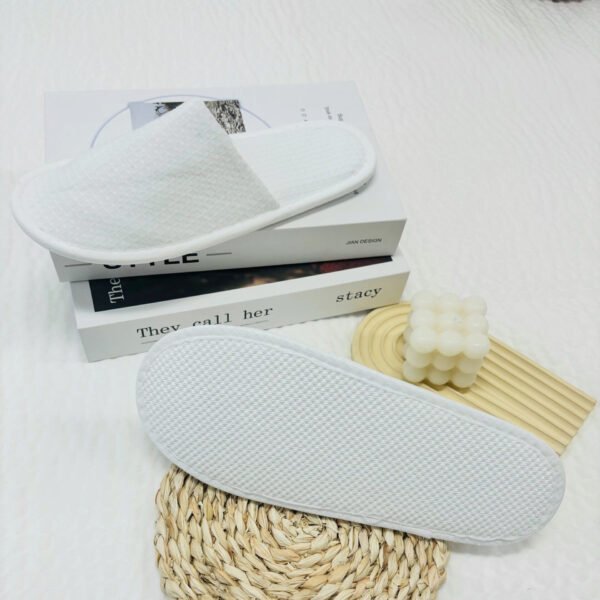
2) Waffle slippers (comfort cue, bathroom-to-room transition)
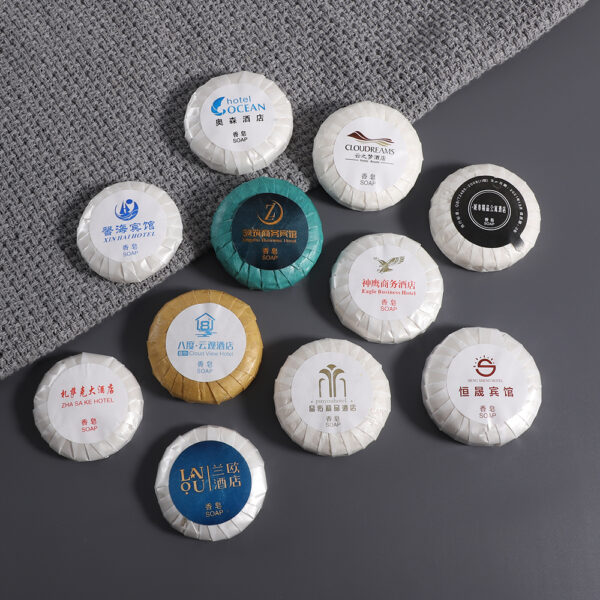
3) Individually wrapped round soaps (hygiene signal, easy restock)
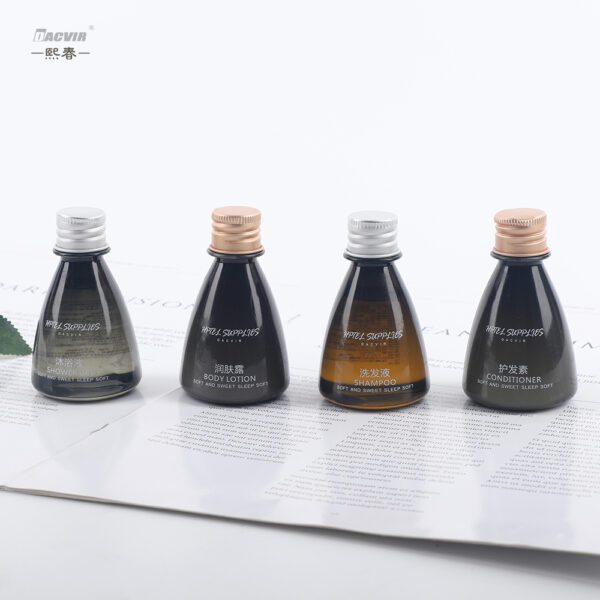
4) Mini bottles set (shampoo, conditioner, lotion, and gel family)
Why amenity sets matter beyond “extras”
Firstly, amenities reduce friction in predictable moments. Forgotten toothbrushes happen. So do wardrobe issues, dry skin, and damp hair routines. Therefore, a well-built set prevents minor problems from becoming interruptions.
Secondly, a set improves visual consistency. Bathrooms are photographed constantly. Similarly, even without photos, visual memory sticks. A coherent tray looks intentional, not improvised.
Thirdly, sets support housekeeping rhythm. Refill work becomes repeatable. Consequently, training gets simpler, audits become faster, and room standards stay stable.
Finally, sets create perceived value without clutter. Importantly, perceived value rarely comes from quantity. Instead, it comes from usefulness, clean packaging, and calm design.
What “premium” really means in hotel essentials
Premium is a performance standard, not a price label
Moreover, premium amenities behave well under real operations. Caps do not leak. Wraps do not tear. Labels do not smudge. Accordingly, premium is often defined by failure avoidance.
Additionally, premium presentation looks composed under typical lighting. Matte finishes photograph cleanly. Crisp typography reads modern. Consequently, the tray looks “finished” even in small bathrooms.
Premium also means comfort across broad preferences
Meanwhile, toiletries and soaps must feel safe for many skin types. Fragrance should be moderate. Texture should be stable. Therefore, premium often means “easy to live with,” not “loud.”
Premium includes thoughtful sizing
Next, mini sizes can look more refined than oversized items. A compact footprint keeps the tray tidy. Likewise, smaller units reduce waste when stays are short.
What “EU-ready” can mean in practice
To begin with, European markets often expect clarity. Labeling, ingredient lists, and batch identifiers commonly matter. Therefore, an “EU-ready” mindset favors documentation, consistent labeling, and clean packaging discipline.
Additionally, sustainability cues are increasingly visible. Cardboard, paper wraps, and reduced plastic can support positioning. Meanwhile, recycled or recyclable packaging can align with brand standards.
Importantly, requirements can differ by country and product type. Consequently, professional compliance review is the right path for final labeling decisions. Still, the design logic stays consistent: clear, consistent, and easy to verify.
Build sets like an architecture: baseline + add-ons
Layer 1: the baseline kit (in every room)
Firstly, a baseline kit should cover daily basics. Dental care, soap, and core toiletries often belong here. Moreover, baseline items should have high usefulness and low controversy.
Additionally, the baseline must fit the tray without looking crowded. Therefore, fewer SKUs with better packaging often outperform bigger piles.
Layer 2: add-ons (by season, room tier, or request)
Meanwhile, add-ons handle context. Weddings create sewing needs. Coastal regions raise shower cap demand. Similarly, wellness concepts may prefer low-fragrance options.
Consequently, add-ons prevent waste. They also protect the “clean tray” look. Importantly, add-ons still benefit from consistent design language.
Layer 3: specialty availability (kept on-hand)
Next, some items fit best as “available when needed.” Shaving kits often sit here. Sensitive-skin alternatives may also live here. Accordingly, preparedness stays high without overstocking rooms.
Core components and what they do well
Dental kit: the fastest “problem solver”
Firstly, dental kits reduce immediate discomfort. They also support late arrivals and short stays. Therefore, they are high-impact even when simple.
Moreover, the best dental kit feels clean to open. The brush should feel comfortable. The toothpaste portion should feel adequate, not symbolic.
Additionally, the packaging matters. A tidy card box reads premium. It also keeps items protected in storage.
Best-fit scenarios
- City properties with late check-ins
- Transit corridors near airports and rail hubs
- Short-stay patterns and weekend traffic
Pairing logic
- Pair with a minimal vanity kit for grooming continuity
- Keep placement consistent to reduce searching
Soap bar: the clearest hygiene cue
Secondly, individually wrapped soap signals hygiene instantly. It also simplifies restocking. Consequently, soap bars remain a strong baseline item.
Moreover, soap performance matters. A good bar rinses clean. It should not leave heavy residue. Similarly, it should avoid extreme fragrance.
Additionally, packaging style influences perception. Paper wraps and sealed wraps can both work. The key is neat edges and clean printing.
Best-fit scenarios
- High-turnover occupancy
- Minimalist rooms with small trays
- Properties that value visible hygiene cues
Pairing logic
- Pair soap with a consistent toiletries scent family
- Place soap at the tray edge for visual order
Shampoo, conditioner, body wash, and lotion: the comfort quartet
Meanwhile, the toiletries set shapes the “bathroom experience” most strongly. Texture, scent, and rinsing behavior all matter. Therefore, consistency across the quartet is essential.
Moreover, mismatched scents feel random. Consequently, a single scent family across items reads more intentional.
Additionally, packaging choice affects cleanliness perception. Mini bottles can look structured. Mini tubes can look sleek. Either can work when labels are consistent.
Best-fit scenarios
- Full-service stays where bathroom time is longer
- Design-forward rooms where packaging is visible
- Properties with a consistent brand palette
Pairing logic
- Keep shampoo and conditioner together visually
- Place lotion near towels for intuitive flow
Slippers: comfort, cleanliness, and room ritual
Next, slippers are more than comfort. They also create a boundary between bathroom and room surfaces. Therefore, they support cleanliness perception.
Moreover, slippers add a “welcome ritual.” The room feels prepared. Similarly, slippers reduce the need for guests to walk barefoot.
Additionally, slipper materials influence seasonality. Waffle textures read clean and breathable. Coral fleece reads warm and soft. Consequently, the choice should match climate and concept.
Best-fit scenarios
- Spa-adjacent rooms and wellness positioning
- Cold seasons and cooler regions
- Rooms with hard floors
Pairing logic
- Pair slippers with bathrobe or extra towel in suites
- Store slippers in a neat sleeve or visible placement
Vanity kit: small items that prevent small messes
Also, vanity kits handle quick grooming needs. Cotton pads and swabs can prevent improvisation. Therefore, vanity kits support calm routines.
Moreover, “boutique” value comes from feel. Pads should not shed. Swabs should not loosen. Packaging should open without scattering.
Best-fit scenarios
- Event-heavy locations
- City stays with getting-ready moments
- Suites where in-room preparation is common
Pairing logic
- Pair vanity kit with lotion for a “care” bundle
- Keep vanity kit on tray only if tray stays uncluttered
Shaving kit: a strong add-on, not always a baseline
Meanwhile, shaving kits offer high value when needed. Yet usage can be uneven. Therefore, shaving is often best as an add-on.
Additionally, a shaving kit should include a stable razor and adequate cream. Packaging should protect the blade. Consequently, the kit feels safe and deliberate.
Best-fit scenarios
- Business-heavy occupancy
- Conference periods and formal weekends
- Longer stays
Pairing logic
- Keep shaving kits in a drawer or wardrobe area
- Pair with vanity kit placement logic for predictability
Shower cap: climate-driven usefulness
Next, shower caps matter most in humid or rainy climates. They also matter for guests with hair routines. Therefore, shower caps can be a high-impact baseline in coastal regions.
Moreover, a good shower cap opens cleanly. Elastic should not feel overly tight. Packaging should look neat on the tray.
Best-fit scenarios
- Coastal and humid regions
- Wellness concepts where showers are frequent
- Outdoor activity locations
Pairing logic
- Pair shower cap with vanity kit in a compact box
- Keep the tray calm by limiting visible plastic
Scent strategy that feels refined and broadly compatible
Choose one scent family per room
Firstly, one scent direction avoids mixed signals. Citrus + floral + woody together often reads chaotic. Therefore, one family should guide the set.
Keep intensity moderate
Moreover, subtle fragrance reads premium. Over-fragrance reads like masking. Consequently, moderate strength supports broad comfort.
Match scent notes to concept
Additionally, scent should match materials and lighting. Bright bathrooms suit fresh notes. Darker heritage spaces often suit warmer notes.
Practical scent families
- Fresh-clean: light citrus peel, white tea direction, soft musk
- Herbal-botanical: rosemary direction, light lavender, gentle eucalyptus
- Warm-woody: cedar direction, soft amber, mild vetiver
Texture matters as much as scent
Meanwhile, texture signals quality quickly. Shampoo should not feel watery. Lotion should absorb without tackiness. Similarly, soap should rinse clean.
Consequently, comfort becomes the standard. The set feels dependable. That dependability is the real luxury.
Packaging and presentation that elevates every stay
Packaging is both hygiene and design
Firstly, sealed packaging is a hygiene cue. It also protects contents in storage. Therefore, packaging should be treated as a functional component.
Additionally, packaging is often the first thing seen. A calm layout and clean typography shape perception. Consequently, even small items can look intentional.
Three packaging formats that work well
1) Card-box kits
- Moreover, boxes keep items contained and tidy.
- Additionally, they support fast restocking.
- Consequently, they reduce tray clutter.
2) Paper wraps
- Meanwhile, wraps photograph well.
- Additionally, they can look natural and minimal.
- Consequently, they fit boutique concepts.
3) Bottles or tubes
- Next, bottles feel structured and stable.
- Similarly, tubes can look sleek and compact.
- Consequently, both can work with consistent labels.
Small visual rules that improve perceived quality
Furthermore, these details matter more than expected:
- Straight seals and clean edges
- No crushed corners after storage
- No sticky adhesive residue
- Consistent label alignment across SKUs
- Caps that close tightly and evenly
Pairing methods that keep the tray clean and coherent
Start with a “three-zone” tray plan
Firstly, dividing the tray prevents clutter. It also improves intuitiveness. Therefore, a simple three-zone logic works well:
- Cleanse zone: soap + body wash
- Hair zone: shampoo + conditioner
- Care zone: lotion + vanity or dental kit
Additionally, the zones can be arranged by height. Taller bottles can sit behind. Smaller boxes can sit front. Consequently, the tray looks ordered.
Pair by material and color temperature
Moreover, a white-and-neutral bathroom works well with matte white packaging. A warm stone palette suits warm-toned labels. Therefore, packaging should echo materials.
Pair by usage frequency, not by product category
Meanwhile, dental kits are “urgent when needed.” Vanity kits are “frequent small use.” Accordingly, placement should reflect urgency and frequency.
Scene-based bundles that feel curated, not random
City business stay: speed and reliability
Firstly, city stays often mean short routines. Late check-ins can happen. Therefore, the bundle should focus on “fast fixes.”
Recommended structure
- Baseline: dental + soap + core toiletries
- Add-ons: shaving kit during peak weekdays
- Placement: dental visible, shaving in drawer
Coastal resort: hair protection and calm scents
Moreover, humidity changes routines. Hair protection rises in importance. Consequently, shower caps and gentle textures matter.
Recommended structure
- Baseline: shower cap + soap + toiletries
- Add-ons: vanity kit for grooming
- Scent direction: fresh-clean or herbal-botanical
Spa and wellness: quiet presentation and low irritation
Additionally, wellness concepts often prefer subtle fragrance. Texture should feel gentle. Therefore, low-fragrance options and clean packaging help.
Recommended structure
- Baseline: soap + lotion + gentle shampoo/conditioner
- Add-ons: shower cap, vanity kit
- Packaging: matte, minimal, calm typography
Event and wedding: the “problem prevention” set
Meanwhile, events create wardrobe stress. Sewing and grooming needs rise. Consequently, emergency-style add-ons matter.
Recommended structure
- Baseline: dental + toiletries + soap
- Add-ons: sewing kit, vanity kit, shaving kit
- Placement: add-ons in wardrobe drawer for fast access
Longer stays: reduce waste while keeping comfort
Next, longer stays can justify slightly larger toiletries. Yet waste still matters. Therefore, a balanced approach helps.
Recommended structure
- Baseline: toiletries + soap + lotion
- Add-ons: extra vanity kit on request
- Placement: refill logic aligned with housekeeping rounds
Choosing sets with a clear selection framework
Step 1: define the baseline promise
Firstly, the baseline should answer one question: What essentials must always be present? Therefore, baseline should include items with consistent usefulness.
A stable baseline often includes:
- Soap bar or liquid wash
- Shampoo and conditioner
- Lotion or body cream
- Dental kit or on-request equivalent
Step 2: decide which items belong on the tray
Moreover, the tray is a design element. It should stay calm. Consequently, not every item belongs there.
Tray-friendly items
- Core toiletries (bottles or tubes)
- Soap bar (wrapped)
- A single boxed kit (dental or vanity)
Better in drawers
- Shaving kit
- Sewing kit
- Extra grooming accessories
Step 3: select one packaging language
Additionally, consistent typography and color unify the bathroom. Therefore, packaging style should stay consistent across SKUs.
Step 4: plan add-ons by triggers
Meanwhile, add-ons work best when tied to triggers:
- Season changes
- Event periods
- Room tier upgrades
- Climate shifts
Consequently, add-ons remain intentional, not chaotic.
Quality checkpoints that prevent surprises
Packaging stress tests that matter
Firstly, packaging should survive storage. Corners should not crush easily. Seals should not split. Therefore, stress testing matters.
A practical checklist:
- Drop test cartons at typical handling heights
- Check label rub resistance after stacking
- Verify caps under temperature changes
- Confirm sachets do not puncture in transit
Leak prevention and cleanliness cues
Moreover, leaking ruins perception instantly. Therefore, cap integrity and seal strength are essential.
Additionally, residue around caps looks messy. Consequently, clean closures and consistent fill levels matter.
Textile alignment for a complete “guest essentials” set
Meanwhile, textiles often complete the experience. Towels and bathrobes add comfort and warmth. Therefore, textile quality supports the same premium logic.
Textile selection thinking:
- Choose absorbency over weight alone
- Prefer consistent white tone across batches
- Match towel texture to bathroom aesthetic
- Keep embroidery subtle for a clean look
Export-minded planning without overcomplication
Firstly, export programs benefit from SKU discipline. Fewer SKUs reduce errors. They also simplify replenishment. Therefore, standardization improves consistency.
Moreover, carton efficiency matters. Compact kits ship more efficiently. Consequently, packaging design influences logistics outcomes.
Additionally, documentation consistency supports smoother operations. Ingredient lists, batch identifiers, and labeling formats should remain stable. Therefore, a single master specification set is useful.
Importantly, final requirements vary by destination and product type. Consequently, a local compliance check remains the safest final step.
Common pairing “recipes” for fast setup
Recipe A: minimalist tray, premium feel
Moreover, this recipe works for design-forward rooms:
- 1 soap bar (wrapped)
- 2–4 mini bottles or tubes (one scent family)
- 1 boxed kit (dental or vanity)
Consequently, the tray stays clean and calm.
Recipe B: comfort-forward bundle for colder seasons
Additionally, this recipe supports warmth and ritual:
- Slippers (neatly packed)
- Lotion with a warm, subtle scent direction
- Soap bar + hair-care pair
Therefore, the room feels cozy quickly.
Recipe C: “ready for anything” suite setup
Meanwhile, suites can hold add-ons without clutter:
- Baseline tray set
- Drawer add-ons: shaving + sewing + vanity
- Optional bathrobe placement
Consequently, preparedness rises without crowding the tray.
FAQ: Hotel amenity sets for European export (practical questions)
1) What makes an amenity set feel “premium” in a small bathroom?
Firstly, premium comes from coherence. Packaging matches. Labels align. Items sit neatly. Consequently, even small items look intentional.
2) How many items should a baseline set include?
Moreover, fewer items can perform better. A baseline often works with 4–7 essentials. Therefore, usefulness matters more than quantity.
3) Are card-box kits better than loose items?
Additionally, boxes simplify restocking and reduce clutter. Loose items can still work. However, boxes improve visual order.
4) What toiletries combination covers most needs?
Meanwhile, shampoo, conditioner, body wash, and lotion cover core comfort. Soap can complement them. Consequently, the bathroom routine feels complete.
5) How should toiletries be grouped on a tray?
Next, group by routine: cleanse, hair, and care. Additionally, arrange by height. Therefore, the tray reads organized at first glance.
6) How can scent stay safe for broad preference ranges?
Moreover, moderate strength matters. One scent family per room also helps. Consequently, fragrance feels refined rather than intrusive.
7) When does a shower cap belong in the baseline?
Additionally, humidity and coastal climates raise usefulness. Event-heavy areas also increase demand. Therefore, climate and stay pattern decide.
8) When should shaving kits be included?
Meanwhile, shaving kits perform best as add-ons. They can be stocked in drawers. Consequently, waste stays controlled.
9) What role do slippers play beyond comfort?
Moreover, slippers act as a cleanliness boundary. They also support a “welcome ritual.” Therefore, perception improves quickly.
10) How should soaps be selected for reliability?
Additionally, soaps should rinse clean and avoid harsh fragrance. Individual wrapping strengthens hygiene cues. Consequently, soap becomes a consistent baseline item.
11) What packaging details most affect perceived quality?
Firstly, edges and seals matter. Print alignment matters. Caps and closures matter. Consequently, small details create a premium signal.
12) How can add-ons avoid turning into clutter?
Moreover, tie add-ons to triggers: season, climate, events, and tiers. Store add-ons in drawers. Therefore, the tray stays clean.
13) Do textiles belong in the same “amenity set” thinking?
Additionally, towels and robes complete the comfort experience. They also support brand consistency. Consequently, textiles fit the same system logic.
14) What is the simplest way to standardize across room types?
Meanwhile, use one baseline set across all rooms. Then add one small tier upgrade. Consequently, operations stay stable.
15) What is a practical first step for building a full program?
Finally, define the baseline promise. Select one packaging language. Then test tray layout. Consequently, the program becomes repeatable.
Closing perspective: a system that stays premium at scale
Moreover, the strongest amenity programs are built like calm routines. The baseline covers daily needs without clutter. Add-ons handle context without waste. Packaging stays consistent, so the bathroom looks intentional. Consequently, comfort improves and housekeeping work becomes simpler.
Additionally, a curated selection creates a quiet signature. Slippers, soaps, and toiletries become part of the room’s design language. That cohesion supports brand memory without heavy messaging. Therefore, the set works as both a functional layer and a visual cue.
Ultimately, hotel amenities sets wholesale europe export works best when treated as an architecture: clean baselines, thoughtful pairings, and presentation that holds up through real operations.