
Some purchases feel bigger than they look. A dental kit is one of them. It sits quietly on a tray, yet it can rescue a rushed morning, smooth out a late arrival, and reduce small operational headaches that repeat all week. Therefore, the goal isn’t “more items.” The goal is one clean, dependable choice that works in real bathrooms, under real turnover speed. For a baseline reference on sizing and presentation, a compact disposable toothbrush and toothpaste set for hotels sets a practical standard before anything else gets added.
The 30-Second Pick That Doesn’t Backfire Later
First, ignore the catalog mood shots for a moment. Instead, imagine the kit after shipping, after storage, and after being handled on a housekeeping cart. If the package still looks tidy, the kit is already ahead.
Next, run the “three yes” filter. It’s simple, and it keeps decisions fast:
- Yes, it opens cleanly.
- Yes, it looks hygienic at a glance.
- Yes, it places in one motion.
Meanwhile, anything that needs rearranging, rewrapping, or “making it look nice” is a slow leak on time. Even a great toothbrush can lose points if the pack arrives crushed, or if the tube cap pops loose in storage.
Finally, pick for consistency. One steady format across rooms usually beats multiple formats that look nicer on paper but drift in real use. In other words, the best kit is the one that stays the same at scale.
What a “Good” Dental Kit Feels Like in Real Life
A dental kit gets judged in seconds. So, the details that matter are mostly physical, not theoretical.
Toothbrush: Comfort + Control, Not Decoration
Firstly, bristles decide the first impression. If the bristles feel harsh, the kit feels cheap—no matter how pretty the box is. So, aim for bristles that look even and feel moderate, not scratchy.
Secondly, the head size matters more than handle shape. A compact head usually works for more preferences. At the same time, the handle should feel stable when wet. A slightly matte finish often helps, because it reduces slipping without feeling sticky.
Also, the toothbrush should arrive looking “fresh.” Bent bristles or a loose wrap signals poor handling. Therefore, a structured box is often an advantage, because it protects the brush during storage and transport.
Toothpaste: The Quiet Deal-Breaker
Next, toothpaste problems are predictable. They usually fall into three categories: not enough product, messy opening, or unreliable sealing.
So, a practical toothpaste tube needs to do three things:
- Open cleanly without paste splatter
- Close firmly so it doesn’t leak in cartons
- Dispense smoothly with a steady nozzle
Meanwhile, flavor should stay safe and broadly liked. Strong, unusual flavors can be polarizing. Therefore, mild mint or a gentle “fresh” profile is usually the calmest choice.
Packaging: The Real “Premium Signal”
Importantly, packaging is not a costume. It’s a tool. It protects the contents, speeds placement, and carries the hygiene message.
A good pack usually has:
- Clean folds and corners
- A structure that keeps items from shifting
- A closure that doesn’t tear into a mess
- Print that stays readable under bright bathroom lights
In addition, a neat box keeps the tray looking planned. That matters because bathrooms are visually unforgiving. Under white lighting, messy edges look worse than they would elsewhere.
The Bathroom Tray Reality Check
A dental kit can be excellent and still fail if it doesn’t fit the space. So, tray reality is worth a quick look.
Small Trays Punish Big Packaging
Firstly, many bathrooms have tight shelves or narrow trays. A bulky pack creates clutter instantly. Consequently, slim formats often read more premium because they leave breathing room.
Secondly, height is underrated. Tall packaging can look awkward next to low-profile items. So, a low, stable box usually wins for visual calm.
The “One-Motion Placement” Rule
Meanwhile, placement speed matters every day. If a kit requires arranging two or three loose pieces, the tray will drift over time. Therefore, boxed units that place in one motion help maintain consistency across many rooms.
Hygiene Cues Must Be Obvious
Also, hygiene messaging should be immediate, not subtle. A clean box, intact seals, and stable presentation do more than extra text ever will. In other words, the kit should “look safe” before it gets used.
Product Examples (Images from the Store)
A clear, ready-to-place layout
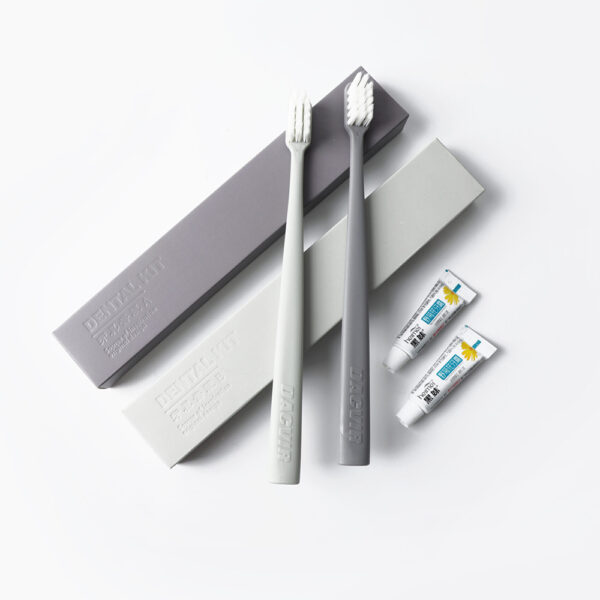
For example, this kind of slim boxed layout looks tidy even before it’s opened. Moreover, it stacks well in storage and places quickly on a tray.
Minimal footprint for compact bathrooms
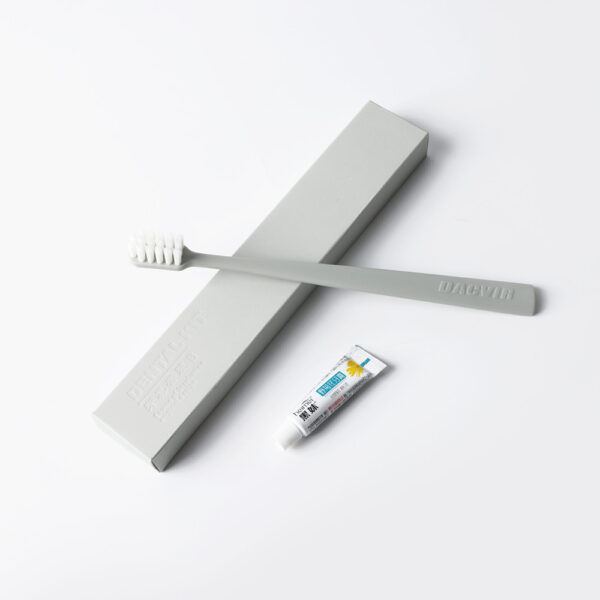
Similarly, a minimal footprint reduces visual clutter. As a result, the tray can look calm even in small bathrooms with limited counter space.
Where Dental Kits Actually Get Used (Beyond “Standard Rooms”)
Dental kits are not just for “in-room amenities.” In practice, they quietly support several hotel moments.
Late Arrivals and Short Stays
Firstly, late arrivals are common. Bags get delayed. Routines get disrupted. A dental kit fixes a real problem fast. Therefore, it has outsized impact in high-turnover properties.
Early Departures and Tight Mornings
Next, early departures turn small frictions into big annoyances. When the kit opens cleanly and feels adequate, the morning runs smoother. Consequently, the entire stay feels better, even if nothing else changed.
Event Floors and Meeting Schedules
Meanwhile, meeting-heavy properties often keep emergency hygiene items in reserve stock. Dental kits are simple “quiet support.” So, compact boxes that store and count easily are practical for operations.
Suites and Design-Led Bathrooms
Also, design-led bathrooms punish inconsistency. A single tidy box reads intentional, while multiple loose pieces read messy. Therefore, minimal and structured packaging often fits best.
Sustainable Packaging Without the “Lecture”
Sustainability is important, but it should feel practical, not preachy.
Start With Reduction
Firstly, the fastest sustainability win is using less material. A compact box that replaces layered wrap often reduces waste and shipping volume at the same time. In addition, fewer layers can mean fewer handling failures.
Prefer Simple Material Choices
Next, paper-forward formats can work well when the box holds shape. However, bathrooms are humid. So, the cardboard quality and fold strength matter. If edges fuzz or soften, the kit looks tired quickly.
Keep The Look Clean, Not Busy
Meanwhile, minimal print often looks more modern than heavy graphics. A calm label can feel premium, and it supports readability. Therefore, simple typography and clean spacing can improve both aesthetics and operations.
“Green” Should Never Replace “Clean”
Finally, hygiene cues must stay strong. Sustainable packaging only works when it still communicates cleanliness and protection. So, seals and structure remain non-negotiable.
Customization That Stays Easy to Manage
Customization can be smooth—or it can become a long loop of small changes. A practical process keeps it simple.
Step 1: Lock the Physical Format First
Firstly, choose the box size and how it opens. Once the physical format is fixed, design becomes faster. Otherwise, artwork keeps changing because the structure keeps changing.
Step 2: Choose a Branding Level That Fits Bathrooms
Next, bathrooms have bright lighting and reflective surfaces. Very bold graphics can feel loud there. So, calm branding usually looks more premium. A small logo with good spacing often beats a big print that fights the room design.
Step 3: Sample Like Real Stock, Not Like a Photo Shoot
Meanwhile, sampling should simulate real handling. Rub the print lightly. Stack cartons. Open the box quickly. Therefore, the focus should be scuffing, tearing, seals, and corner strength.
Step 4: Approve a Reference and Keep It
Also, one approved sample helps maintain consistency later. In other words, it becomes a benchmark for quality discussions.
If browsing packaging styles and formats is useful during planning, the store listing makes that easier: Shop.
For a broader view on building consistent sets, this guide can help: EU-ready amenity sets guide.
MOQ and Lead Time (Short, Clear, and Not Messy)
This section stays simple on purpose.
Firstly, MOQ exists because production has setup costs: printing setup, cutting runs, and assembly planning. Even when the kit looks small, the process behind it isn’t. Therefore, simpler packaging and standard components usually allow more flexible quantities.
Next, lead time is mostly affected by two things: how often the spec changes, and how busy the production queue is. If the box structure keeps changing, the timeline expands. So, locking the format early is the biggest speed advantage.
Finally, planning should be based on actual usage rhythm: room count, average occupancy, and restocking frequency. As a result, ordering feels calmer because it matches real consumption rather than guesswork.
How to Make Toothpaste “Feel Better” Without Overdoing It
Toothpaste is small, but it has personality. When it feels wrong, the whole kit feels wrong.
Flavor Direction: Clean and Neutral Wins
Firstly, mild mint is usually the safest. It reads “clean” without being sharp. Meanwhile, very sweet flavors can feel juvenile, and very strong herbal notes can feel medicinal. So, neutrality is the steady choice.
Texture and Foam Matter More Than People Expect
Next, overly foamy paste can feel messy in a small sink. A balanced texture and moderate foam tends to feel easier during quick routines. Therefore, “clean finish” is a better goal than “strong punch.”
The Opening Moment Sets the Tone
Also, a tube that opens cleanly avoids splatter. That tiny detail protects the sink area and keeps the experience tidy. Consequently, the kit feels better designed.
More Product Examples (Images from the Store)
A steady palette that stays consistent across rooms
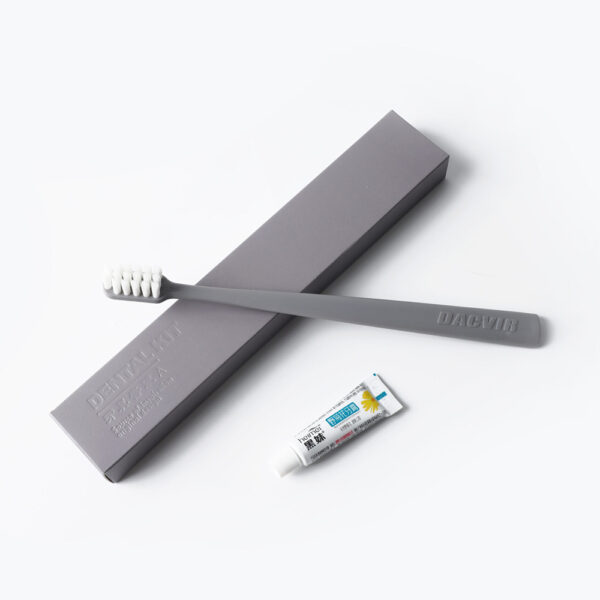
For instance, a consistent palette helps the tray look intentional. Moreover, compact formats are easier to standardize across room types.
Coordinated packaging across a full tray
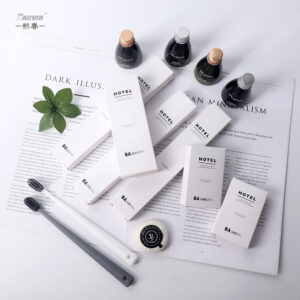
Likewise, coordinated packaging makes the whole setup look planned. As a result, even basic items can read more premium because the tray feels organized.
Short Case Stories (What Changes When the Kit Is Right)
Case 1: High-turnover, late check-in heavy property
Firstly, late arrivals created frequent “forgotten essentials” friction. After switching to a compact, structured dental kit, the tray stayed tidy more often. Consequently, fewer exceptions appeared during peak evenings.
Case 2: Minimalist boutique bathroom design
Next, the bathroom design looked clean, but mixed packaging made the tray feel random. After adopting a consistent slim-box style, the tray looked calmer. Therefore, the space felt more curated without adding more items.
Case 3: Resort with multiple room tiers
Meanwhile, multiple tiers created placement drift. Using one baseline format with a controlled variation reduced confusion. As a result, restocking became steadier without overcomplicating inventory.
FAQ (8 Questions, 8 Answers)
1) What makes a dental kit feel premium immediately?
Firstly, it’s the lack of small failures: intact corners, clean seals, and a tidy opening moment. So, structure and consistency matter more than decoration.
2) Is a boxed kit always better than a wrapped kit?
Next, not always, but boxes often protect presentation better. Therefore, boxed kits usually stack and place more reliably in real operations.
3) What is the most common toothpaste issue during storage?
Meanwhile, weak seals and tiny pinholes cause slow leaks. So, tube quality and carton handling discipline matter.
4) What is the easiest way to reduce waste without reducing quality?
Firstly, reduce packaging layers and keep the footprint compact. As a result, shipping volume and material usage drop together.
5) What should sampling focus on?
Next, focus on handling: scuffing, corner strength, seals, and opening behavior. Therefore, treat samples like real stock, not display items.
6) What placement mistake makes trays look messy fastest?
Meanwhile, mixing loose items around a kit creates clutter. So, one tidy boxed unit usually maintains a cleaner look.
7) How can a program avoid too many variants?
Firstly, keep one baseline format and one controlled variation. Consequently, inventory stays manageable while still allowing tier differentiation.
8) What shortens lead time the most?
Next, locking the physical format early shortens lead time more than anything else. Therefore, avoid late structure changes once sampling begins.
Summary and Three Practical Next Steps
A dental kit is small, but it carries a lot of meaning. When it looks clean, opens smoothly, and fits the tray, it quietly removes friction from common travel moments. Moreover, a compact, structured format supports faster restocking and steadier presentation.
Three practical next steps:
- Standardize one baseline format so tray placement stays consistent across rooms.
- Sample for real handling by stacking, rubbing print, and opening quickly.
- Plan ordering from actual usage rhythm so replenishment feels predictable.
Finally, when a simple baseline is needed for tray planning and daily turnover, a compact disposable toothbrush and toothpaste set for hotels provides a clean, scalable starting point without making the bathroom setup feel crowded.