
A boutique room rarely wins on size. It wins on clarity. Linen that feels intentional. A bathroom tray that looks composed. Small items placed where they belong. Amenity kits sit inside that same logic. They are not “extras.” They are a practical layer that keeps the stay smooth and keeps the room looking finished.
The strongest approach starts with one consistent baseline: affordable hotel amenity kits for boutique hotels that match the property’s mood and housekeeping rhythm. After that baseline is set, the best results usually come from a small set of add-ons tailored to context—event weekends, coastal humidity, wellness positioning, or longer stays—rather than throwing more items into every room.
Why amenity kits matter in boutique hospitality
Amenity kits do several jobs at once. They support comfort, reduce interruptions, protect presentation, and reinforce brand identity.
1) They reduce “small emergencies” turning into service calls
A missing toothbrush after a late arrival. A loose button before dinner. A hair situation after coastal wind. These moments create friction because they are immediate. A kit resolves the moment quietly, without breaking the flow of the stay.
2) They keep the room looking finished
Boutique rooms are photographed. Even without deliberate photo-taking, the visual memory tends to stick. A tray that looks curated, rather than improvised, shapes perception. Compact packaging with consistent typography and color does more than a larger set of mismatched items.
3) They build consistency for housekeeping
Housekeeping teams succeed with repeatable standards. A kit system makes restocking predictable: fewer decisions, fewer variations, cleaner audits, and fewer “almost the same” room setups.
4) They add perceived value without adding clutter
Perceived value in amenities is rarely about quantity. It is about:
- clean, well-sealed packaging
- a coherent scent direction
- formulas that feel comfortable on skin
- items that solve real needs
- placement that feels intentional
The “affordable” formula without cheap cues
Affordability should protect the boutique look. That usually means shifting spend away from low-use items and toward presentation and reliability.
High-impact value levers
- Matte finishes (paper wraps or boxes) instead of glossy film
- One typography system across items (consistent font weight and spacing)
- Compact sizing that looks tidy on a tray
- Reliable seals and caps (no leaking, no torn sachets)
- Scent coherence (one family across toiletries)
- A simple baseline + add-on model to avoid waste
Low-impact spend traps
- too many SKUs per room type
- oversized kits that sit unused
- multiple scent profiles in one bathroom
- fragile packaging that scuffs or crushes in storage
- heavy customization on every single unit rather than a branded outer wrap
A practical kit architecture that stays boutique
A system that works across most boutique concepts:
Layer A: Baseline kit (in every room)
A small set that covers common needs and supports a composed look.
Typical baseline options:
- vanity essentials
- shower cap (especially in humid or coastal regions)
- dental kit (depending on local norms)
Layer B: Context add-ons (by season, room tier, or request)
Items with high perceived value when needed, but not always necessary in every room.
Common add-ons:
- sewing kit
- shaving kit
- grooming extras (comb, wipes)
- wellness add-ons (earplugs, bath salts—where policy allows)
- family-focused extras (gentle wipes, kids toothbrush—where relevant)
This approach keeps the bathroom tray clean while still covering edge cases.
Four core kits that consistently perform well
The sections below place each image exactly where it belongs, next to the most relevant use case and selection guidance.
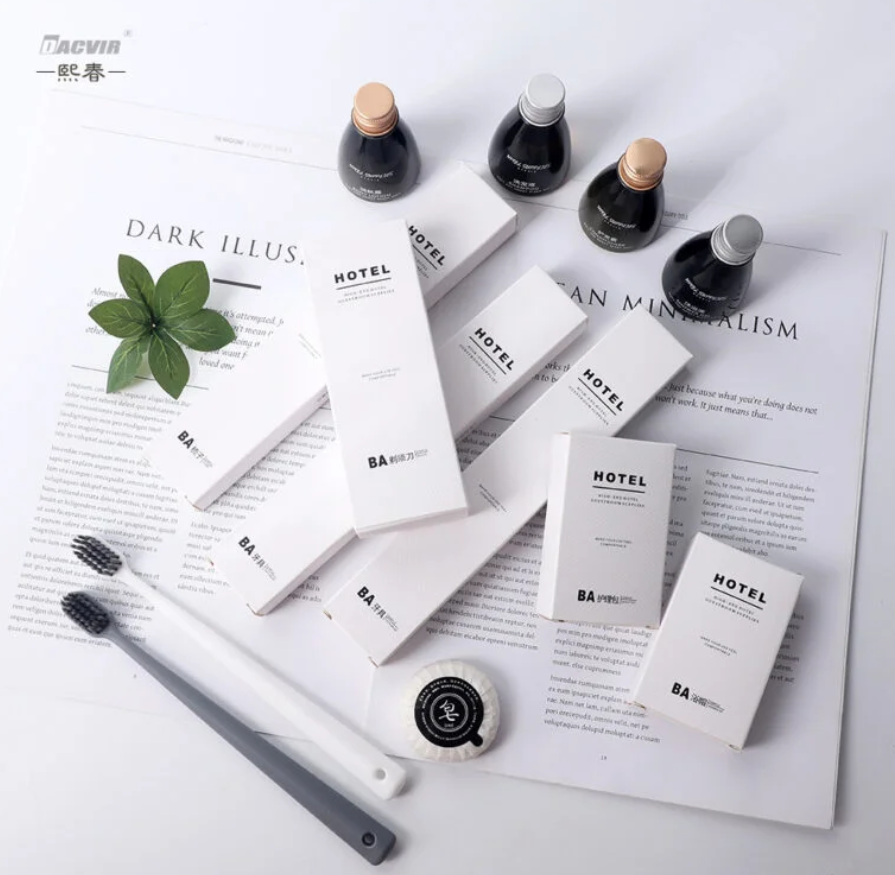
1) Dental kit: the fastest friction reducer
A dental kit is one of the highest-impact “forgotten item” solutions. It handles late arrivals, transit stays, and short bookings where packing is rushed. It also works as a perception signal: the room feels prepared for real life, not just staged.
A solid dental kit is simple. The difference is in the details:
- toothbrush bristle softness that feels comfortable
- toothpaste portion that feels adequate, not symbolic
- packaging that opens cleanly without tearing into messy fragments
- print quality that looks consistent with the rest of the room
Where it fits best
- city boutique hotels with late check-ins
- properties near airports or rail hubs
- weekend-heavy locations with short stays
- business corridors where routines matter
Placement
- bathroom tray if the tray is large and uncluttered
- vanity drawer if the concept is very minimalist
- consistent placement matters more than the “perfect” spot
2) Vanity kit: small items that look intentional
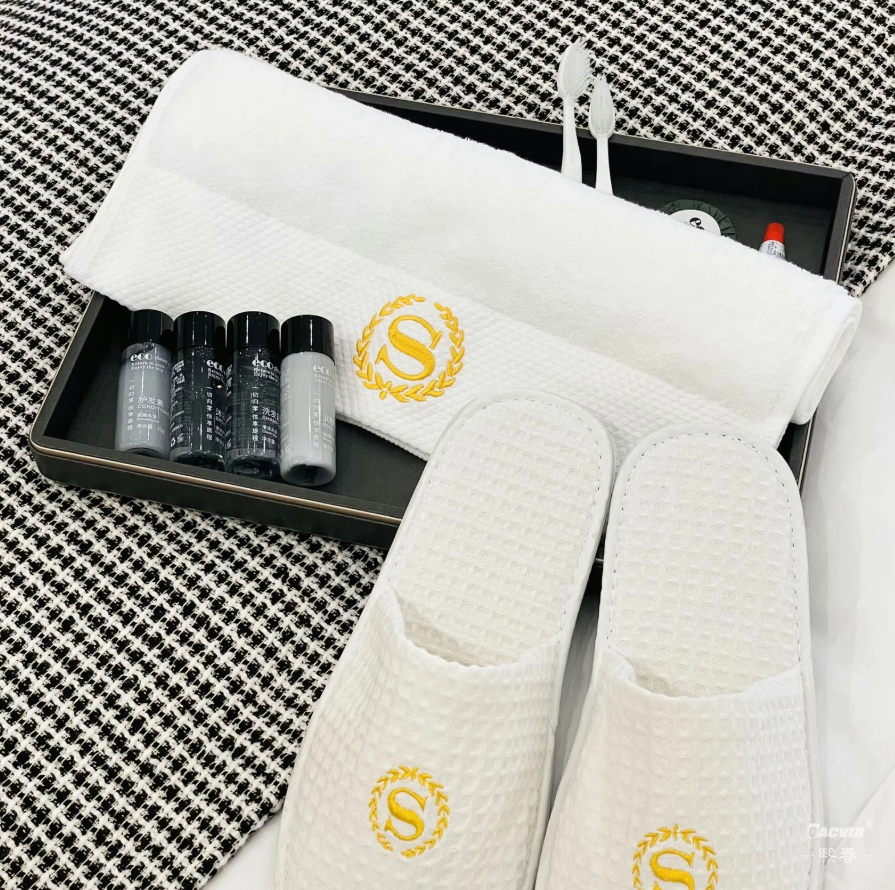
A vanity kit often performs well because it has broad usefulness without feeling bulky. It supports small grooming needs and helps keep the bathroom routine smooth.
A well-designed vanity kit usually includes:
- cotton pads
- cotton swabs
- nail file
- gentle wipes (optional, depending on concept)
What separates “basic” from “boutique” is not the list. It is the feel:
- cotton that doesn’t shed
- pads that are thick enough to be useful
- a nail file that doesn’t feel brittle
- packaging that looks calm and aligned with the room palette
Where it fits best
- design-forward city boutiques
- event-heavy locations (dinners, weddings, nightlife)
- heritage properties where presentation is part of the story
- suites where guests tend to get ready in-room
Placement
- bathroom tray, aligned with toiletries
- avoid stacking too many items; one neat layer reads best
3) Sewing kit: the quiet hero for event moments
A sewing kit rarely gets used by everyone. That is exactly why it works: when it is needed, it matters immediately. It can prevent a minor wardrobe issue from turning into a stressful one.
A practical sewing kit usually includes:
- needle(s)
- thread (neutral tones often work best)
- spare buttons
- safety pin
Boutique-friendly sewing kits also benefit from:
- thread that doesn’t snap easily
- a small inner card or holder so needles aren’t loose
- packaging that opens without scattering contents
Where it fits best
- wedding destinations
- conference-adjacent neighborhoods
- formal dining concepts
- heritage properties where guests dress up more often
Placement
- wardrobe drawer, not the bathroom tray
- consistent placement supports “found it quickly” moments
4) Shower cap and hair protection: high relevance in the right climate
A shower cap is low cost, low storage weight, and surprisingly influential in humid, rainy, or coastal settings. It prevents hair routines from becoming stressful and supports the “ready to go” feeling after a shower.
A good shower cap should:
- unfold without tearing
- feel comfortable (not overly tight elastic)
- be packaged neatly so it looks clean on the tray
- avoid noisy, crinkly material when possible
Where it fits best
- coastal boutiques
- tropical or rainy climates
- wellness concepts where showers are part of a calm routine
- locations with frequent outdoor activities
Placement
- bathroom tray if the tray remains tidy
- alternatively, place with vanity kit inside a small box to keep surfaces clean
Scent strategy that feels professional and natural
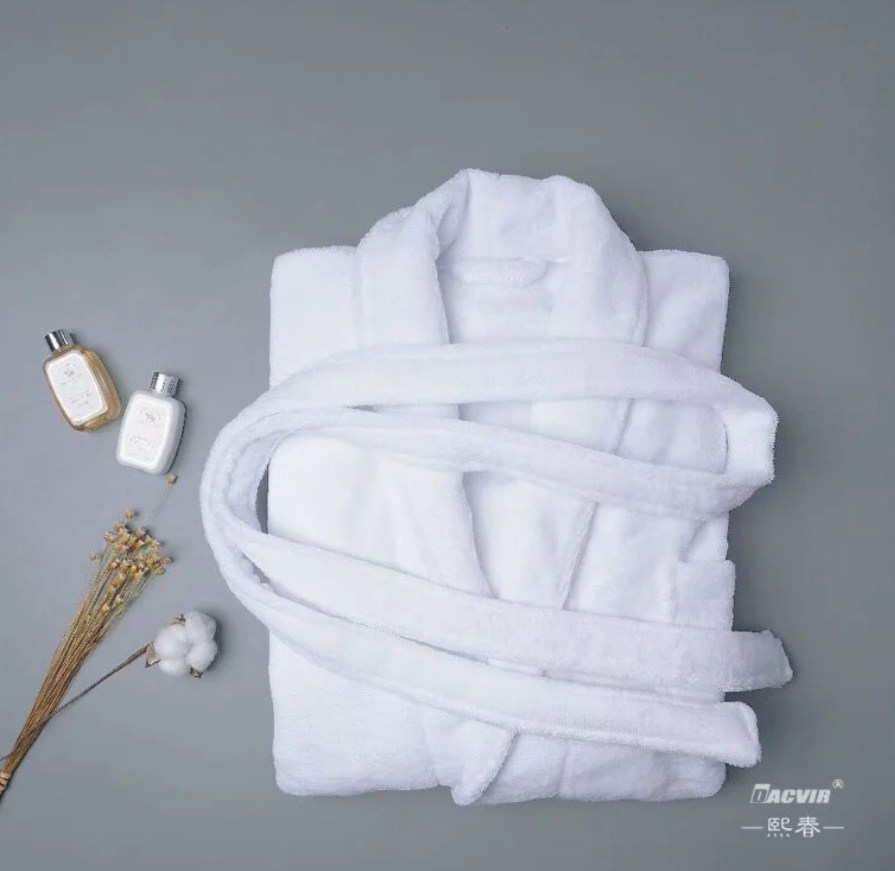
Scent is one of the most memorable parts of toiletries. It can also be the quickest way to create complaints if it is too strong or mismatched.
A boutique-appropriate scent strategy tends to follow three rules:
- One scent family per room
Mixing unrelated profiles (citrus shampoo + floral soap + woody lotion) reads as random. - Strength stays moderate
Subtlety reads premium. Over-fragrance reads like masking. - The room’s design mood guides the notes
Scent should match lighting, materials, and palette.
Practical scent families by concept
Fresh & clean (wide compatibility)
- white tea
- light citrus peel
- aloe
- soft musk
Works well for:
- modern city boutiques
- minimalist bathrooms
- business-adjacent locations
Herbal & botanical (spa-adjacent calm)
- rosemary
- sage
- light lavender
- gentle eucalyptus
Works well for:
- wellness concepts
- countryside or mountain settings
- properties with slower “unwind” positioning
Woody & warm (heritage and design-forward)
- cedar
- sandalwood
- light amber
- soft vetiver
Works well for:
- heritage buildings
- darker tones, brass accents
- lounge-forward concepts
Low fragrance or unscented (sensitive-skin friendly)
Works well for:
- wellness-first concepts
- allergy-aware standards
- family-heavy occupancy
Texture matters as much as scent
Even at budget-friendly tiers, perceived quality rises quickly when:
- shampoo is not watery
- lotion absorbs without tackiness
- soap rinses clean
- caps do not leak
- sachets do not split
Packaging choices that protect a boutique look
Packaging is a visual cue. It is also a hygiene cue. The best packaging feels consistent with the room and survives storage.
Packaging formats that typically work well
Paper-wrapped sets
- strong natural aesthetic
- photographs well
- fits minimalist design language
Watch-outs: humidity resistance and seal integrity.
Compact boxes
- tidy presentation
- protects contents
- simplifies restocking
Watch-outs: scuffing and unnecessary size.
Sachet-based kits
- cost-efficient
- easy to standardize
Watch-outs: glossy plastic and weak seals can look low-tier.
Hygiene cues that get noticed immediately
- clean edges and straight seals
- no sticky residue from adhesives
- no crushed corners
- consistent print alignment
- no fading ink
These details read “care” before anything is even used.
Placement strategy: where kits should live
Placement affects usefulness and perception.
Bathroom tray: best for daily-use items
Best for:
- vanity kit
- shower cap
- dental kit (when tray space allows)
A tray works when it stays uncluttered. One neat layer looks intentional.
Wardrobe or drawer: best for “emergency” items
Best for:
- sewing kit
- shaving kit
- grooming extras
This protects minimal bathroom styling and keeps specialty items accessible.
On-demand availability: best for specialty needs
Best for:
- shaving kit (often)
- sanitary kit
- kids add-ons
- pet kits
This reduces waste while keeping preparedness intact.
Scene-based bundles that feel curated
Bundles work when they match the property’s stay pattern.
City boutique: short stays and late arrivals
Baseline:
- dental kit
- vanity kit
Add-ons:
- sewing kit in wardrobes (event floors)
- shower cap during rainy seasons
Heritage boutique: warm mood, dressed-up moments
Baseline:
- vanity kit with calm packaging
- shower cap (if climate supports it)
Add-ons:
- sewing kit as a reliable standby
- grooming extras for suites
Coastal boutique: humidity and wind
Baseline:
- shower cap
- vanity kit
Add-ons:
- moisturizing lotion emphasis
- hair grooming extras where relevant
Wellness boutique: calm routines, sensitive skin
Baseline:
- low-fragrance toiletries
- vanity kit
- shower cap
Add-ons:
- gentle wipes (only if truly gentle and aligned)
- earplugs (where appropriate)
A professional selection checklist for sourcing
A repeatable checklist keeps the amenity program stable.
Product quality checks
- seals that do not fail in humid storage
- caps that do not leak in cartons
- materials that feel comfortable on skin
- consistent print quality across batches
- a defined scent direction that stays consistent
Operational checks
- a room-type map: what goes where
- par levels per floor or room category
- a restocking cadence that matches stay length
- storage conditions noted (humidity, heat, shelf life)
Presentation checks
- packaging palette fits bathroom and room tones
- fonts look consistent and calm
- size feels appropriate on trays
- “one layer” layout possible without clutter
Housekeeping workflow: keeping standards consistent
Consistency is where boutique hotels quietly win.
Standardize by room type
- one baseline kit for standard rooms
- one upgrade bundle for suites
- one seasonal add-on plan if climate shifts
Reduce decision points
Housekeeping moves faster when replenishment does not require judgment calls. A simple placement guide (photo + short list) is often enough.
Track the right signals
- repeated requests for the same missing item
- fragrance complaints (usually a strength issue)
- packaging failures (leaks, tears, crushed boxes)
- inconsistencies between rooms on the same floor
Common mistakes and clean fixes
Mistake: adding more items instead of improving coherence
Fix: keep the baseline small; improve packaging finish and scent consistency.
Mistake: mixing multiple scent profiles
Fix: choose one scent family for the room.
Mistake: stocking specialty items in every room
Fix: use add-ons by tier or on-demand.
Mistake: fragile packaging that looks worn quickly
Fix: shift budget toward better outer packaging and seals.
Mistake: unclear placement
Fix: one standard spot for each kit type.
FAQ
What belongs in a baseline kit for most boutique hotels?
A vanity kit and a shower cap often cover broad needs while staying visually tidy. A dental kit can be added when late arrivals or short stays are common.
When is a dental kit most valuable?
Transit locations, late check-ins, and short bookings tend to see the most benefit.
When is a sewing kit the right call?
Event-heavy destinations, formal dining concepts, and conference-adjacent neighborhoods benefit most.
Should shaving kits be placed in every room?
Often not. Shaving kits typically work better as suite-tier items or on-demand availability, depending on stay patterns.
How can toiletries feel more premium without raising item count?
Improve scent coherence, packaging finish, and formula texture. These cues change perception more than adding extra pieces.
What scent direction is the safest overall?
Fresh/clean profiles and very light botanicals tend to be widely compatible. Low fragrance also reduces risk in wellness concepts.
What is the best place for emergency-type kits?
Wardrobes and drawers are usually best for sewing and shaving kits, keeping bathrooms clean and uncluttered.
How many kit variations should exist at one property?
Fewer usually perform better. A baseline kit plus one upgrade bundle covers most needs without creating operational complexity.
What usually causes the most amenity waste?
Stocking specialty items in every room, inconsistent replenishment standards, and packaging that fails during storage.
How can consistency improve without adding labor?
Standard placement, fewer SKUs, and a simple restock map by room type typically deliver quick results.
Closing: boutique-standard kits that stay on budget
A strong amenity program is not about abundance. It is about readiness, consistency, and a room that looks composed every time the door opens. A small baseline kit handles the most common needs, while add-ons cover climate, stay pattern, and room tier without creating clutter.
For a clean starting point, affordable hotel amenity kits for boutique hotels can be structured as a consistent baseline plus a limited set of context add-ons. That balance keeps the boutique look intact, reduces service friction, and supports a stay that feels thoughtfully finished.