
Moreover, a well-built amenity program acts like quiet architecture in a room. Small formats reduce friction after late arrivals and long flights. Within that logic, a reliable luxury 5 star hotel toiletries manufacturer supports consistency across scent, packaging, and daily performance.
Featured Product Mix for a Cohesive Bathroom Tray
1) Card-box disposable essentials kit for tidy presentation
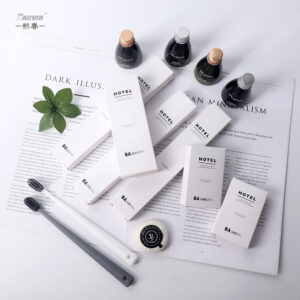
Firstly, a card-box kit keeps many small items visually calm. The box also protects components during storage and transport. Consequently, housekeeping can place one unit quickly without rearranging loose pieces.
Additionally, card packaging signals intention with minimal effort. Clean edges and structured geometry look refined under typical bathroom lighting. Therefore, the tray reads “finished” rather than improvised.
2) Mini bottle family for stable routines and clean labeling
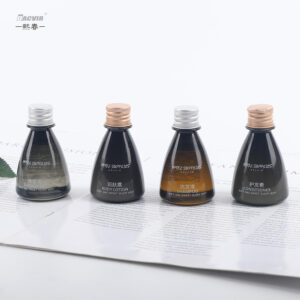
Next, mini bottles create a stable, repeatable routine in the shower zone. Bottle forms also reduce squeeze mess compared with some soft packs. As a result, counters stay cleaner and product usage feels more controlled.
Meanwhile, coordinated bottles strengthen brand coherence. Matching caps and label placement reduce visual noise. Consequently, the set photographs well and still feels subtle.
3) Individually wrapped round soaps for a clear hygiene cue
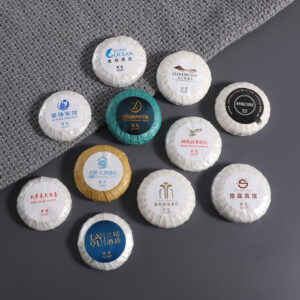
Also, wrapped soap bars deliver an immediate hygiene signal. Each unit offers predictable portioning and fast restocking. Therefore, high-turnover rooms can maintain standards without complicated checks.
Importantly, round soaps also simplify tray geometry. The compact shape fits small dishes and narrow ledges. In turn, presentation stays organized even in compact bathrooms.
4) Dental kit variants for fast problem-solving after travel
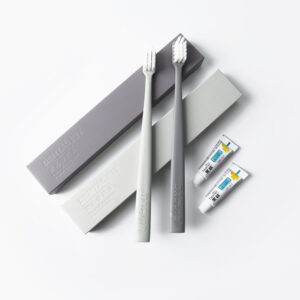
Finally, a dental kit solves a common travel gap in seconds. The sealed pack reinforces cleanliness and reduces drawer rummaging. Consequently, late check-ins feel smoother and less stressful.
Likewise, dental kits support predictable placement standards. When the location never changes, the room feels thoughtfully prepared. As a result, the kit becomes a small but memorable detail.
Why Luxury Toiletries Matter Beyond “Extras”
Firstly, toiletries reduce friction at predictable moments. Dry hands appear after flights and city walks. Therefore, a stable lotion and gentle cleansing routine prevents small discomforts from growing.
Moreover, toiletries influence the first visual impression of the bathroom. Bottles and wraps sit in direct sight lines near mirrors. Consequently, design discipline in packaging signals the property’s overall standards.
Additionally, toiletries shape the “shower experience” more than many décor elements. Texture, rinse feel, and scent create a private ritual. As a result, comfort becomes measurable through repeatable sensory cues.
However, quality is not only sensory. Leakage, label smudging, and torn wraps create operational cost. Therefore, premium design often focuses on failure prevention first.
Meanwhile, consistency across rooms protects brand clarity. When each unit matches, the room feels predictable in a good way. Consequently, training becomes easier and audits become faster.
Likewise, well-chosen sizes reduce waste in short stays. Smaller formats can look more refined than oversized containers. As a result, the tray remains tidy and the refill rhythm stays controlled.
In addition, a coherent set supports photography and social sharing. Matte surfaces and calm typography look clean under phone cameras. Therefore, small details quietly amplify perception.
Still, luxury also depends on restraint. Too many items create clutter and visual stress. Consequently, fewer SKUs with better packaging often outperform large piles.
Ultimately, toiletries act as a functional promise. They confirm that comfort and hygiene were planned. Therefore, they operate as trust signals rather than decorations.
What Defines a Premium Toiletries Manufacturing Partner
Firstly, premium manufacturing starts with formula stability. Viscosity should remain consistent across batches and seasons. Consequently, each bottle behaves the same in real bathrooms.
Moreover, ingredient choices must support broad comfort. Mild surfactants reduce tight skin after rinsing. Therefore, the set feels safe for many routines.
Additionally, a serious partner treats packaging as part of product performance. Caps must close cleanly and avoid micro-leaks in transit. As a result, storage shelves remain clean and inventory stays reliable.
However, customization must stay disciplined. Many label variations can create errors in picking and packing. Therefore, a structured SKU system protects accuracy.
Meanwhile, documentation supports export readiness and internal control. Batch identifiers and clear labeling simplify tracking. Consequently, issues become easier to isolate and resolve.
Likewise, quality control should focus on real failure modes. Print rub tests, cap torque checks, and drop tests reveal weak points. Therefore, QC becomes a practical shield, not a checkbox.
In addition, packaging materials matter as much as printing. Board thickness affects crush resistance in cartons. As a result, outer appearance stays crisp at the moment of placement.
Still, a premium partner also supports flexible set architecture. Baseline kits and add-ons help manage waste. Consequently, the program can adapt across room tiers without chaos.
Furthermore, lead-time reliability protects housekeeping rhythm. Predictable replenishment prevents emergency substitutions. Therefore, the tray stays consistent even during peak seasons.
Overall, a strong manufacturing relationship functions like infrastructure. It reduces operational surprises and preserves design intent. Consequently, the brand experience stays intact across every room.
Formulas That Feel Premium in Real Bathrooms
Firstly, “premium” begins with rinse behavior. A good cleanser rinses clean without squeakiness. Therefore, skin feels comfortable rather than stripped.
Moreover, foam should feel controlled, not excessive. Too much foam can slow rinsing and increase water use. Consequently, balance improves both comfort and operations.
Additionally, shampoo texture matters in quick showers. A watery formula spreads too fast and feels thin. As a result, perceived quality drops immediately.
However, thick formulas can also cause issues. Overly viscous gels may cling to bottle necks and waste product. Therefore, mid-range viscosity often performs best.
Meanwhile, conditioner should detangle without heavy residue. A lightweight finish suits many hair types. Consequently, the formula feels refined and broadly compatible.
Likewise, lotion performance depends on absorption speed. A premium lotion sinks in without stickiness. As a result, hands feel softer without leaving fingerprints on fixtures.
In addition, scent should integrate with base chemistry. Fragrance can collapse if the base destabilizes over time. Therefore, stability testing under heat and cold remains essential.
Still, pH balance influences comfort. A mild range helps reduce tightness after washing. Consequently, the set feels gentle across frequent use.
Furthermore, hard water can change perception. Some formulas feel dull or leave film in mineral-heavy regions. Therefore, formula tuning for rinse clarity matters.
Overall, formulas should work under time pressure. Short showers, low light, and quick routines define real use. Consequently, performance must be immediate and forgiving.
Scent Strategy That Feels Refined and Widely Compatible
Firstly, a single scent family reduces mixed signals. When shampoo and lotion clash, the tray feels random. Therefore, one direction should guide the full set.
Moreover, moderate intensity reads more luxurious than loud fragrance. Strong scent can feel like masking rather than care. Consequently, subtlety supports broad comfort.
Additionally, scent can mirror the property’s materials. Stone and glass pair well with fresh notes. As a result, the room feels cohesive from towel to bottle.
However, fragrance should also respect enclosed spaces. Bathrooms amplify aroma because ventilation varies. Therefore, a light profile reduces complaints and fatigue.
Meanwhile, “top, heart, and base notes” offer useful planning language. Top notes appear first, then soften into the core. Consequently, the scent feels layered instead of sharp.
Likewise, fresh-clean profiles often use citrus peel, tea, or soft musk directions. Herbal profiles lean toward rosemary or light lavender. Therefore, concept alignment becomes easier.
In addition, warm profiles can fit heritage interiors. Cedar, amber, and gentle vetiver feel grounded. As a result, the bathroom gains a calmer mood.
Still, seasonal shifts can work without full rebranding. A winter add-on can use warmer notes while the baseline stays neutral. Consequently, consistency remains while variety appears.
Furthermore, fragrance should not fight other room elements. Linen sprays, candles, and cleaning products already exist. Therefore, toiletries should complement rather than compete.
Overall, scent strategy works best when simple. One family, moderate strength, and stable formulas create reliability. Consequently, the experience feels polished and intentional.
Packaging and Customization That Signal Luxury
Firstly, packaging carries both hygiene and design. A sealed unit reassures cleanliness instantly. Therefore, opening should feel smooth and controlled.
Moreover, typography affects perceived quality more than many expect. Clean spacing and consistent alignment read modern. Consequently, even small bottles can look premium.
Additionally, finish choice changes how items photograph. Matte surfaces reduce glare under bathroom lights. As a result, labels look calmer in casual photos.
However, glossy finishes can still work. When print quality is high, gloss can feel crisp and “new.” Therefore, finish should match brand mood and lighting.
Meanwhile, color systems improve recognition. A tight palette across all SKUs looks intentional. Consequently, the tray feels curated rather than mixed.
Likewise, cap design influences both function and aesthetics. A cap that clicks shut feels secure. As a result, leakage risk falls while confidence rises.
In addition, tube sealing quality matters for travel handling. Poor seals lead to tiny leaks that stain cartons. Therefore, sealing checks should be routine.
Still, customization should prioritize readability. Logos can appear without crowding ingredient text. Consequently, compliance text remains clear and design stays balanced.
Furthermore, box packaging can reduce tray clutter. A single box can contain small pieces neatly. Therefore, housekeeping time drops while presentation improves.
Overall, packaging succeeds when it prevents failure. No smudges, no crushed corners, and no sticky residue. Consequently, luxury becomes visible through order and reliability.
Amenity Program Architecture: Baseline, Tiering, and Add-Ons
Firstly, building a set works like building a system. A baseline covers daily essentials across every room. Therefore, the baseline should include high-use, low-controversy items.
Moreover, tiering adds meaning without confusion. Suites can gain a richer lotion or a robe pairing. Consequently, differentiation feels thoughtful rather than excessive.
Additionally, add-ons protect the “clean tray” look. Some items serve specific contexts like conferences or wet climates. As a result, waste drops while preparedness stays high.
However, add-ons should remain consistent in design language. A random pouch disrupts the tray’s calm mood. Therefore, add-ons should match color and typography standards.
Meanwhile, a three-zone tray plan supports intuitiveness. Cleanse, hair, and care zones align with natural routines. Consequently, guests locate items without searching.
Likewise, height staging improves the visual line. Taller bottles sit behind shorter boxes. As a result, the tray looks orderly and intentional.
In addition, bathrooms vary in counter space. Narrow ledges need fewer SKUs and smaller footprints. Therefore, the set should have a “compact layout” option.
Still, suites can support an expanded ritual. A larger tray can include a stronger care zone with vanity items. Consequently, the suite feels upgraded without clutter.
Furthermore, a consistent placement rule supports training. When the soap always sits in the same corner, checks become faster. Therefore, consistency saves time daily.
Overall, an amenity program works best when modular. Baseline stability plus controlled variation creates luxury without chaos. Consequently, the set stays scalable across many room types.
Pairing Methods That Keep the Bathroom Tray Coherent
Firstly, pairing should follow routines, not catalogs. Hair items belong together and cleansing items belong together. Therefore, grouping should mirror real shower sequences.
Moreover, pairing should follow material cues. Paper wraps pair well with natural textures like wood and linen. Consequently, the room feels consistent across sensory signals.
Additionally, pairing should follow color temperature. Warm neutrals support spa concepts, while cool whites suit modern minimalism. As a result, the tray aligns with interior lighting.
However, pairing should also consider climate. Humid regions benefit from shower caps and lighter lotions. Therefore, regional add-ons can feel practical and intentional.
Meanwhile, pairing should consider stay length. Short stays prioritize immediate essentials like dental kits. Consequently, baseline value rises without adding clutter.
Likewise, business-heavy patterns often raise shaving kit relevance. Yet usage varies, so a drawer placement can work better. As a result, availability remains without overstocking rooms.
In addition, pairing should consider housekeeping speed. A box kit reduces separate item counts. Therefore, a single placement action replaces multiple micro-actions.
Still, pairing can support a “welcome ritual.” Slippers and a tidy soap presentation create a calm first moment. Consequently, the room feels ready and cared for.
Furthermore, pairing should avoid contradictory cues. A premium bottle set looks strange next to a flimsy wrap. Therefore, weakest-link items should be upgraded first.
Overall, pairing succeeds when it looks quiet and works quickly. Cohesion and usefulness matter more than volume. Consequently, the tray stays elegant and efficient.
Operational Advantages: Housekeeping Efficiency, Inventory Clarity, and Waste Control
Firstly, sets simplify daily checks. A complete tray becomes a single visual unit. Therefore, missing pieces stand out immediately.
Moreover, standardized SKUs reduce picking errors. When labels and sizes remain consistent, counting becomes easier. Consequently, stock control improves without complex systems.
Additionally, kits reduce time per room. A box kit replaces several individual placements. As a result, turnover speed increases while standards stay stable.
However, sets also reduce “substitution drift.” Without a clear system, random replacements appear during shortages. Therefore, consistent supply protects brand uniformity.
Meanwhile, packaging durability affects storage efficiency. Strong boxes and stable bottles stack better. Consequently, storerooms stay cleaner and damage rates drop.
Likewise, leakage control reduces hidden costs. A small leak can ruin a full carton and cause extra labor. As a result, better closures pay back quietly.
In addition, waste control improves through right sizing. Short stays waste large containers when partially used. Therefore, compact formats align with real consumption.
Still, sustainability goals benefit from fewer mixed materials. A program that standardizes board and plastics simplifies recycling streams. Consequently, environmental messaging feels more credible.
Furthermore, training becomes easier with clear placement rules. New staff can learn zones and layouts quickly. Therefore, quality becomes less dependent on individual habits.
Overall, the best amenities act like operational tools. They reduce variation, shorten tasks, and protect standards. Consequently, comfort and efficiency rise together.
Choosing Formats: Bottles, Tubes, Boxes, and Wraps
Firstly, bottles offer stability and a structured look. They sit neatly and resist crushing in transit. Therefore, bottles suit visible counters and photo-friendly trays.
Moreover, bottles can support controlled dispensing. Caps and neck shapes influence spills. Consequently, thoughtful bottle design protects cleanliness.
Additionally, tubes can look sleek and compact. They also compress to reduce leftover product. As a result, tubes can reduce waste for short stays.
However, tube sealing must be reliable. Weak seals create slow leaks that stain packaging. Therefore, seal checks should be non-negotiable.
Meanwhile, boxes provide order for small items. A box prevents scattered pieces and keeps edges tidy. Consequently, boxes often improve perceived quality quickly.
Likewise, wraps offer a strong hygiene cue. A clean wrap shows that the item is untouched. As a result, soap and accessories feel reassuring.
In addition, material choices affect brand positioning. Kraft tones feel natural, while bright white feels modern. Therefore, material should match interior tone.
Still, format decisions should follow bathroom size. Tiny sinks need fewer pieces and smaller footprints. Consequently, a “compact kit” can outperform a large assortment.
Furthermore, format consistency reduces confusion. Mixing too many formats looks chaotic. Therefore, two dominant formats per tray often feel best.
Overall, format selection is a design and operations decision. The right format reduces mess while preserving elegance. Consequently, the set remains calm and functional.
Building a Premium “Comfort Quartet” for the Shower Zone
Firstly, the shower zone benefits from a clear four-part structure. Shampoo, conditioner, body wash, and lotion cover most routines. Therefore, the quartet becomes the anchor of the set.
Moreover, consistency across the quartet matters more than individual hero items. Matching labels and scent direction unify the experience. Consequently, the bathroom feels curated.
Additionally, body wash should rinse quickly. A slow-rinse formula leaves residue and frustration. As a result, satisfaction drops even when fragrance is pleasant.
However, shampoo and conditioner must also pair in feel. If shampoo feels strong, conditioner must restore softness. Therefore, the two should be tested together as a system.
Meanwhile, lotion should connect the ritual to the room. Placing lotion near towels supports intuitive flow. Consequently, the care step happens naturally.
Likewise, small bottles support visual order. They fit trays neatly and reduce random placement. As a result, counters look cleaner.
In addition, clear naming reduces misuse. Simple labels prevent accidental swaps between wash and conditioner. Therefore, typography and icon choices matter.
Still, the quartet should avoid extremes. Heavy fragrance and heavy residue reduce broad compatibility. Consequently, moderation becomes the luxury signal.
Furthermore, consistent cap design improves speed. Housekeeping recognizes closure types quickly. Therefore, refilling and replacement becomes smoother.
Overall, the comfort quartet creates the core memory. When it feels stable and refined, the whole bathroom feels elevated. Consequently, amenities deliver value without shouting.
Creating a Calm Grooming Zone with Small Essentials
Firstly, grooming items prevent small problems from becoming distractions. A dental kit resolves immediate needs quickly. Therefore, it holds high impact despite small size.
Moreover, comb and vanity items support readiness for meetings and events. Small tools reduce improvisation with poor alternatives. Consequently, the room feels thoughtfully equipped.
Additionally, grooming items benefit from boxed containment. A single box prevents scattered micro-items on the counter. As a result, the tray remains orderly.
However, too many grooming SKUs can clutter the space. A baseline should include only high-use items. Therefore, add-ons should handle less common needs.
Meanwhile, hygiene cues should remain clear. Sealed packs and clean edges matter more than flashy design. Consequently, grooming items feel premium through neatness.
Likewise, placement consistency reduces searching. When grooming items always sit in the same zone, routines feel easier. As a result, the bathroom feels intuitive.
In addition, minimal printing can look refined. A small logo and clean text can outperform busy graphics. Therefore, restraint supports luxury.
Still, materials must feel pleasant. A comb should not feel brittle, and a brush should feel smooth. Consequently, tactile quality reinforces perception instantly.
Furthermore, compact packaging supports storage discipline. Boxes stack well and resist damage. Therefore, back-of-house operations stay cleaner.
Overall, grooming zones succeed through simplicity. A few well-made essentials create calm and readiness. Consequently, the room feels prepared without clutter.
Making Hygiene Signals Visible Without Feeling Clinical
Firstly, hygiene signals work best when subtle. Seals, wraps, and tidy closures communicate cleanliness quietly. Therefore, the bathroom feels safe without sterile vibes.
Moreover, individually wrapped items reduce ambiguity. A sealed soap bar leaves no doubt about freshness. Consequently, trust rises immediately.
Additionally, packaging can look warm and calm. Neutral tones and soft typography reduce clinical associations. As a result, hygiene and luxury can coexist.
However, too much plastic can feel noisy. Mixed glossy packs can clutter the tray visually. Therefore, material reduction often improves both look and messaging.
Meanwhile, paper-based elements can add warmth. Card boxes and wrapped soaps read natural and intentional. Consequently, the tray feels curated rather than packaged.
Likewise, clear placement rules reduce handling. When items sit in predictable spots, unnecessary touching drops. As a result, cleanliness becomes easier to maintain.
In addition, tamper-evident seals can support confidence. A clean seal communicates integrity. Therefore, seals can be useful even in premium concepts.
Still, seals must open cleanly. Hard-to-open wraps create irritation and mess. Consequently, opening experience matters as much as closure.
Furthermore, hygiene signals should align with cleaning protocols. If a cap traps residue, the counter looks dirty faster. Therefore, packaging design must consider wipe-down reality.
Overall, hygiene cues should feel like quiet design. Neatness, seals, and calm materials do the work. Consequently, the bathroom communicates care without drama.
Selection Logic: A Practical Framework for Choosing the Right Set
Firstly, selection should start with property identity. Modern minimalism, heritage luxury, and wellness concepts need different cues. Therefore, style direction comes before SKU count.
Moreover, selection should consider bathroom size and layout. Limited counter space requires compact formats. Consequently, a compact kit can outperform a larger set.
Additionally, selection should map to stay patterns. Short stays prioritize immediate essentials and fast routines. As a result, dental kits and easy-rinse formulas rise in value.
However, longer stays increase the importance of hair and skin comfort. Conditioner feel and lotion absorption become more noticeable. Therefore, comfort testing should cover multi-day use.
Meanwhile, selection should respect climate. Dry regions favor richer lotions, while humid regions favor lighter textures. Consequently, formula choice can follow geography.
Likewise, selection should account for water hardness. Some formulas feel different in mineral-heavy water. As a result, local testing prevents surprises.
In addition, selection should define a scent rule. One baseline scent family avoids mixed messages. Therefore, scent discipline becomes a core policy.
Still, selection should keep tiering controlled. Suites can add one or two upgrades without changing everything. Consequently, the brand stays coherent across categories.
Furthermore, selection should plan for storage and replenishment. If cartons crush easily, waste and frustration rise. Therefore, packaging durability deserves real attention.
Overall, selection works best as a scorecard. Comfort, durability, clarity, and consistency should all earn points. Consequently, the set becomes a system, not a gamble.
Quality Control Checklist That Matches Real Failure Modes
Firstly, a QC checklist should start with leakage testing. Caps should survive pressure changes and carton stacking. Therefore, squeeze tests and inversion tests matter.
Moreover, printing should withstand bathroom humidity. Labels should resist smudging from damp hands. Consequently, rub tests should be standard.
Additionally, cartons need crush resistance. Boxes should arrive with crisp corners. As a result, presentation stays premium at placement time.
However, seal integrity also matters. Wraps should not split during shipping. Therefore, seal checks should occur at multiple stages.
Meanwhile, fill accuracy protects consistency. Underfilled bottles feel cheap and create complaints. Consequently, fill-weight controls should remain tight.
Likewise, scent stability should be verified. Heat and cold cycles can change fragrance perception. As a result, stability testing should cover storage extremes.
In addition, viscosity should remain consistent. A thin batch feels lower quality immediately. Therefore, viscosity measurement should remain routine.
Still, compatibility between formula and packaging must be checked. Some formulas can stress plastics over time. Consequently, long-term compatibility testing protects against surprises.
Furthermore, packaging opening experience should be tested. If a wrap tears poorly, the counter becomes messy. Therefore, opening trials should be part of approval.
Overall, QC should protect the guest-facing moment. Clean, intact, and consistent items build trust quickly. Consequently, QC becomes part of luxury itself.
How to Build a Set That Fits Multiple Property Scenarios
Firstly, city hotels benefit from fast problem-solvers. Dental kits and clean shower quartets support rushed schedules. Therefore, baseline essentials should focus on speed and clarity.
Moreover, resort properties benefit from longer rituals. Lotion feel, conditioner performance, and scent layering become more visible. Consequently, richer textures can fit these contexts.
Additionally, spa-adjacent properties benefit from calming profiles. Herbal or tea-like notes can feel restorative. As a result, the bathroom aligns with wellness positioning.
However, airport and transit hotels need simplicity. Compact kits reduce restock complexity and speed turnovers. Therefore, boxed sets can work especially well.
Meanwhile, boutique properties often want design-forward packaging. Matte finishes and tight palettes support photography. Consequently, label and format choices become part of the décor.
Likewise, conference properties often need grooming support. Comb, vanity items, and controlled scent help readiness. As a result, add-ons can be stocked for peak periods.
In addition, extended-stay properties need durability. Caps, bottles, and labels face more handling. Therefore, packaging resilience rises in importance.
Still, coastal regions need humidity logic. Shower caps and quick-rinse formulas fit frequent showers. Consequently, climate add-ons can feel practical and premium.
Furthermore, heritage properties can use warmer material cues. Paper wraps and warm-toned boxes feel appropriate. Therefore, packaging can reflect architectural tone.
Overall, scenarios guide priorities. Speed, ritual, or durability should lead decisions. Consequently, the set feels tailored without becoming complicated.
Coordinating Toiletries with Linens and Soft Goods
Firstly, toiletries rarely stand alone in perception. Towels, bathmats, and robes frame the bathroom mood. Therefore, amenity styling should consider textile color and texture.
Moreover, a crisp white towel pairs well with neutral packaging. Calm tones keep the bathroom feeling airy. Consequently, the tray looks integrated rather than added.
Additionally, warm-toned textiles can pair with kraft and natural wraps. The room feels softer and more relaxed. As a result, packaging can reinforce warmth.
However, strong textile patterns can demand simpler packaging. Busy visuals compete when both are loud. Therefore, restrained labels support balance.
Meanwhile, scent can connect toiletries to textiles. Clean tea notes feel fresh beside white linens. Consequently, a cohesive sensory story emerges.
Likewise, robe and slipper choices affect the “ritual” impression. When soft goods feel premium, toiletries should match that standard. As a result, weakest-link items become obvious.
In addition, storage placement should respect housekeeping flow. When towels and lotions sit near each other, routines feel logical. Therefore, tray layout can follow linen placement.
Still, matching does not require identical branding everywhere. Subtle alignment in palette and finish can be enough. Consequently, the bathroom stays elegant without over-branding.
Furthermore, small accessories can mirror textile choices. A simple card box can echo the clean geometry of folded towels. Therefore, cohesion becomes visible quickly.
Overall, pairing toiletries with textiles strengthens perceived quality. The bathroom feels curated as a full environment. Consequently, comfort becomes more memorable.
Designing for Photography Without Becoming Flashy
Firstly, bathrooms are photographed often. Mirrors, sinks, and trays appear in quick shots. Therefore, packaging should look clean under mixed lighting.
Moreover, matte or satin finishes reduce glare. Labels remain readable even with overhead lights. Consequently, photos look calmer and more premium.
Additionally, typography should be high-contrast and simple. Thin scripts can disappear on small bottles. As a result, modern sans-serif choices often work best.
However, branding should remain restrained. Large logos can feel like advertising inside a calm space. Therefore, subtle marks often fit luxury positioning.
Meanwhile, consistent alignment improves the “grid” look. Even small misalignments can look messy in photos. Consequently, label placement standards matter.
Likewise, a limited color palette supports visual order. Too many colors create a toy-like feel. As a result, cohesion rises with fewer tones.
In addition, tray geometry matters. Rectangular boxes and aligned bottles create straight lines. Therefore, the scene reads intentional.
Still, materials should look premium up close. Thin films and weak printing show immediately on camera. Consequently, material choice becomes part of image quality.
Furthermore, minimal clutter improves perceived luxury. A few well-made items can look richer than many average ones. Therefore, editing the tray is a design skill.
Overall, photography-friendly design does not need loud styling. Calm surfaces, clean alignment, and consistent formats do the work. Consequently, the bathroom feels quietly impressive.
FAQ
What makes a toiletry set feel “five-star” without adding many items?
Firstly, performance matters more than quantity. Clean rinse feel, comfortable textures, and stable packaging create the upgrade. Consequently, fewer items can still feel more luxurious.
Which items belong in a baseline set for most rooms?
Moreover, a baseline usually needs soap, a hair-and-body cleansing routine, and a dental solution. A compact care step like lotion also helps. Therefore, the baseline should cover daily comfort with minimal clutter.
When do boxed kits outperform loose individual items?
Additionally, boxed kits excel when speed and visual order matter. One box reduces placement time and prevents scattered pieces. As a result, the tray stays tidy in high-turnover operations.
Bottles or tubes: which format reads more premium?
However, both formats can look premium with consistent labels and strong materials. Bottles feel structured, while tubes feel sleek and compact. Therefore, the best choice depends on bathroom size and brand mood.
How can fragrance stay refined and widely compatible?
Meanwhile, moderate intensity and one scent family reduce fatigue. Tea, light citrus, and soft herbal directions often stay comfortable. Consequently, the bathroom feels calm rather than perfumed.
What sizing works best for short-stay patterns?
Likewise, compact formats reduce waste and keep the tray composed. Smaller units also look intentional and tidy. Therefore, short stays often benefit from mini bottles or mini tubes.
How should a set adapt for suites without changing everything?
In addition, suites can add one or two upgrades while keeping the baseline identical. A richer lotion or a more premium box kit can work. Consequently, differentiation feels controlled and coherent.
Which quality checks prevent the most common failures?
Still, leakage checks and print rub tests catch frequent issues. Crush resistance also matters for boxes and cartons. Therefore, QC should prioritize real shipping and bathroom conditions.
How can the tray stay organized in very small bathrooms?
Furthermore, a compact layout with clear zones helps. Fewer SKUs and consistent heights keep the line clean. Consequently, the tray looks intentional even on narrow ledges.
What is a simple pairing rule for a cohesive bathroom experience?
Overall, pair by routine and by scent family. Keep hair items together, cleansing together, and care together. Therefore, the set feels natural and easy to use.
Conclusion: A Luxury Amenity Program That Works Like a System
Overall, luxury toiletries succeed when they combine sensory comfort with operational reliability. Calm scent direction, stable formulas, and disciplined packaging keep the tray consistent. Consequently, a modular baseline with controlled add-ons supports many room types without clutter.
Therefore, the clearest approach is to treat amenities as infrastructure, not decoration. A coherent mix of boxed essentials, mini bottles, and wrapped soaps stays tidy and easy to replenish. In that system, a dependable luxury 5 star hotel toiletries manufacturer helps protect brand consistency through every batch and every room.
Three actionable recommendations
- Moreover, define one baseline set and one compact layout before adding any tier upgrades.
- Additionally, test packaging for leaks, smudges, and crush damage before finalizing label design.
- Finally, choose one scent family and keep intensity moderate across the full quartet.